
If you are looking for delicious ways to prepare pork without making dinner complicated, these 20 pork tenderloin recipes are a wonderful place to start. I love how versatile pork tenderloin can be because it works beautifully with smoky barbecue seasoning, sweet honey garlic sauce, fresh herbs, tangy marinades, and rich pan sauces. Whether I am planning a relaxed family dinner, a weekend cookout, or a quick weeknight meal, this lean and tender cut gives me plenty of ways to bring something flavorful to the table.
Pork tenderloin has a mild flavor that pairs well with many ingredients, which makes it easy to customize according to your preferences. You can roast it in the oven, cook it in a skillet, prepare it on the grill, or slice it into medallions for a quicker meal. With the right seasoning and cooking method, you can achieve juicy meat with a beautiful golden crust and plenty of flavor.
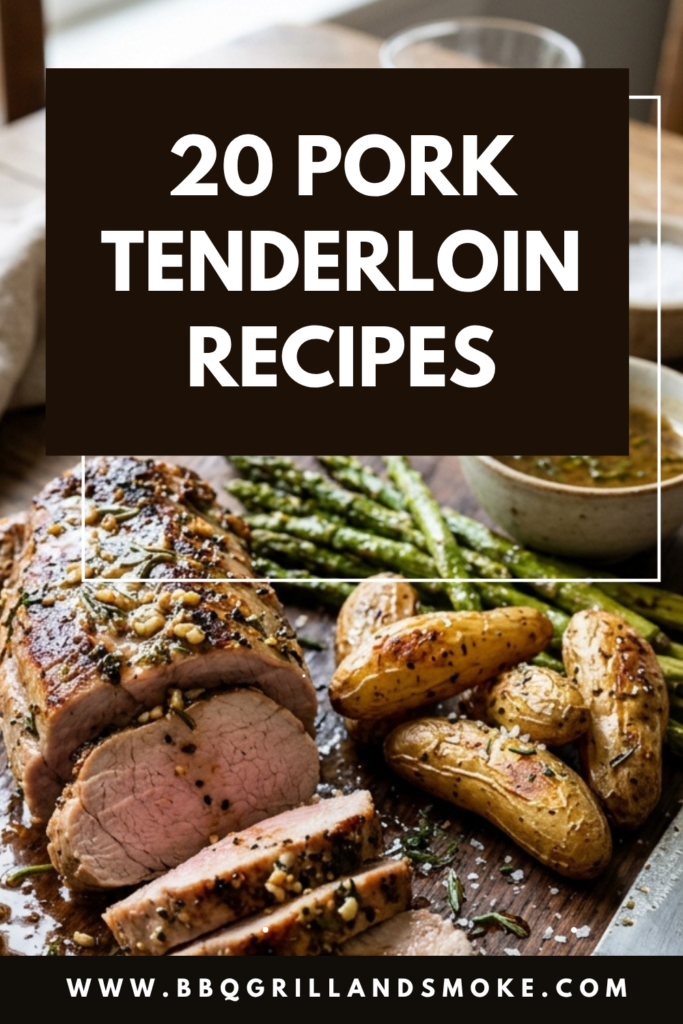
In this guide, I am sharing 20 pork tenderloin recipes that cover a wide range of tastes and cooking styles. You will find classic garlic and herb pork, sticky honey garlic tenderloin, smoky BBQ pork, sweet-and-spicy glazed pork, and several creative dinner ideas. Each recipe includes a practical ingredient list and straightforward cooking instructions to help you prepare a satisfying meal at home.
Why I Love Making Pork Tenderloin Recipes
One of the biggest advantages of pork tenderloin is how quickly it cooks compared with many larger cuts of meat. Since it is naturally lean and tender, it does not require hours of cooking to become enjoyable. A simple combination of salt, pepper, garlic, and olive oil can produce an excellent meal, while marinades and sauces let you explore more adventurous flavors.
I also appreciate how easily pork tenderloin fits into different menus. It can be the centerpiece of a traditional roast dinner, a smoky barbecue meal, a fresh salad bowl, or a flavorful stir-fry served over rice. You can prepare a whole tenderloin for a family meal or cut it into smaller pieces when you want something that cooks faster.
If you enjoy outdoor cooking, pork tenderloin is especially useful for grilling. A hot grill creates attractive sear marks and adds a wonderful smoky flavor without requiring a long cooking time. For more inspiration, explore these related guides on healthy grilled pork tenderloin and pork tenderloin with honey garlic sauce.
The secret is to avoid overcooking it. Pork tenderloin contains relatively little fat, so it can become dry if left in the oven or on the grill for too long. I recommend using a meat thermometer rather than relying entirely on cooking time. This small step makes it much easier to prepare juicy, tender pork consistently.
How to Choose and Prepare Pork Tenderloin
Before trying these pork tenderloin recipes, it helps to understand what to look for when buying and preparing the meat. Pork tenderloin is a long, narrow cut that is generally smaller and leaner than pork loin. Although their names sound similar, they are different cuts and should not automatically be cooked using the same timing.
Choose a Fresh, Well-Trimmed Tenderloin
Look for pork tenderloin with a fresh appearance, intact packaging, and no unpleasant odor. Most tenderloins have a thin layer of silverskin, which is a tough connective membrane. Removing this membrane before cooking helps the meat remain more tender and prevents it from tightening awkwardly during cooking.
Season Before Cooking
Pat the meat dry with paper towels before adding your seasoning. Removing excess moisture helps the surface brown more effectively. Depending on the recipe, you can use a dry spice rub, a simple herb mixture, or a liquid marinade. If you have time, allowing the seasoning to rest on the meat for 20 to 30 minutes can help develop flavor.
Use a Meat Thermometer
For whole pork tenderloin, cook until the thickest part reaches an internal temperature of 145°F (63°C), followed by a rest of at least three minutes. Always insert the thermometer into the thickest section without touching the pan or grill. Cooking time varies according to the thickness of the tenderloin, the starting temperature of the meat, and the appliance being used.
20 Pork Tenderloin Recipes to Try at Home
These 20 pork tenderloin recipes offer something for different occasions, from simple everyday dinners to meals that feel special enough for guests. The ingredient quantities below are generally intended for one tenderloin weighing approximately 1 to 1.25 pounds (450 to 570 grams), unless otherwise indicated. Adjust the quantities if your tenderloin is larger or you are cooking for a crowd.
1. Classic Garlic and Herb Pork Tenderloin
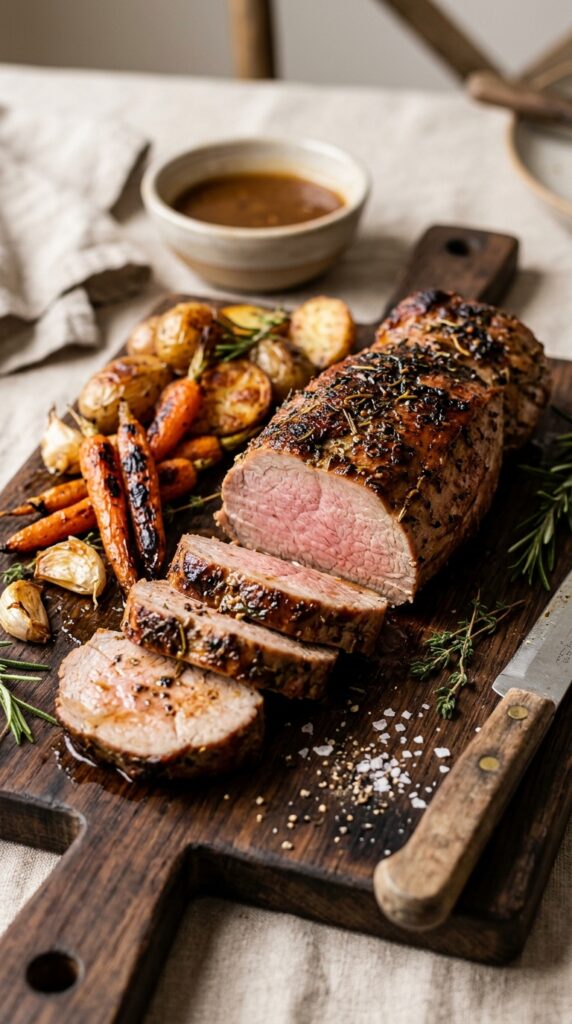
This is one of my favorite starting points because it allows the natural flavor of pork to shine. Garlic, rosemary, thyme, and olive oil create a fragrant coating, while roasting produces a golden exterior and tender center. It is a dependable option for Sunday dinner or a simple meal during the week.
Ingredients
- 1 pork tenderloin, approximately 1 to 1.25 pounds
- 2 tablespoons olive oil
- 3 garlic cloves, minced
- 1 teaspoon dried rosemary
- 1 teaspoon dried thyme
- 1 teaspoon paprika
- 1/2 teaspoon black pepper
- 3/4 teaspoon salt, or to taste
Instructions
- Preheat the oven to 400°F (200°C). Pat the pork dry and remove any silverskin.
- Mix the olive oil, garlic, rosemary, thyme, paprika, salt, and black pepper in a small bowl.
- Rub the mixture over the entire tenderloin, making sure the ends are seasoned as well.
- Place the pork in a lightly greased roasting dish and roast for approximately 20 to 30 minutes, checking the internal temperature near the end.
- Remove the pork when it reaches 145°F (63°C), rest for at least three minutes, and slice before serving.
Serving suggestion: Serve with roasted potatoes, green beans, or steamed carrots. A little lemon juice added just before serving brightens the herb flavors.
2. Honey Garlic Pork Tenderloin
Honey garlic pork tenderloin is ideal when you want a balance of sweetness, savory seasoning, and rich garlic flavor. The sauce develops a glossy finish that coats each slice beautifully. I especially like serving this dish with rice because the extra sauce is too good to waste.
Ingredients
- 1 pork tenderloin
- 3 tablespoons honey
- 3 garlic cloves, minced
- 2 tablespoons soy sauce
- 1 tablespoon olive oil
- 1 tablespoon lemon juice or apple cider vinegar
- 1/2 teaspoon black pepper
- 1/2 teaspoon smoked paprika
Instructions
- Preheat the oven to 400°F (200°C).
- Whisk together the honey, garlic, soy sauce, lemon juice, olive oil, black pepper, and smoked paprika.
- Place the pork in a baking dish and coat it with the sauce.
- Roast for approximately 20 to 30 minutes, depending on the thickness. Spoon the sauce over the pork during cooking if it is convenient to do so.
- Check that the center reaches 145°F (63°C). Rest the pork before slicing.
- If desired, simmer the remaining cooking juices in a saucepan until slightly thickened, then drizzle over the sliced pork.
Serving suggestion: Pair it with steamed rice, broccoli, or stir-fried vegetables. For another variation, visit my guide to pork tenderloin with honey garlic sauce.
3. Smoky BBQ Pork Tenderloin
This recipe is perfect for anyone who enjoys the flavor of barbecue but does not necessarily want to spend an entire day smoking meat. A smoky spice rub gives the pork a deep, savory taste, while barbecue sauce adds sweetness and a sticky finish. It works well in the oven or on an outdoor grill.
Ingredients
- 1 pork tenderloin
- 1 tablespoon olive oil
- 1 teaspoon smoked paprika
- 1 teaspoon garlic powder
- 1 teaspoon onion powder
- 1/2 teaspoon ground cumin
- 1/2 teaspoon black pepper
- 3/4 teaspoon salt
- 1/3 cup barbecue sauce
Instructions
- Preheat the oven to 400°F (200°C), or prepare your grill for medium-high heat with a cooler area for finishing.
- Mix the paprika, garlic powder, onion powder, cumin, salt, and pepper.
- Rub the pork with olive oil, then coat it evenly with the spice mixture.
- For oven cooking, roast until the thickest part reaches 145°F (63°C). For grilling, sear the tenderloin over direct heat, then move it to a cooler area and finish cooking with the lid closed.
- Brush barbecue sauce over the pork during the final few minutes, taking care not to let the sugary sauce burn.
- Rest for at least three minutes before slicing and serving.
Serving suggestion: Serve with grilled corn, coleslaw, baked beans, or roasted potatoes. You can find more inspiration in my grilled pork tenderloin guide.
4. Maple Dijon Pork Tenderloin
Maple Dijon pork tenderloin brings together the sweetness of maple syrup and the sharp, tangy flavor of Dijon mustard. The combination creates a balanced glaze that complements the mild pork without overpowering it. It is a particularly good choice for autumn dinners or a meal with roasted vegetables.
Ingredients
- 1 pork tenderloin
- 2 tablespoons maple syrup
- 2 tablespoons Dijon mustard
- 1 tablespoon olive oil
- 2 garlic cloves, minced
- 1/2 teaspoon dried thyme
- 1/2 teaspoon black pepper
- 1/2 teaspoon salt
Instructions
- Heat the oven to 400°F (200°C).
- Combine the maple syrup, Dijon mustard, olive oil, garlic, thyme, salt, and pepper.
- Coat the tenderloin with the glaze and place it in a baking dish.
- Roast for approximately 20 to 30 minutes, checking the internal temperature with a thermometer.
- Remove the pork at 145°F (63°C) and allow it to rest before slicing.
- Serve with the pan juices spooned over the meat.
Serving suggestion: Roasted sweet potatoes, Brussels sprouts, and green beans all pair nicely with this sweet-and-tangy pork.
5. Lemon Pepper Pork Tenderloin
When I want something bright and uncomplicated, lemon pepper pork tenderloin is an excellent option. Fresh lemon adds acidity, while cracked black pepper provides a gentle bite. A little garlic rounds out the flavor, making this a refreshing alternative to heavier sauces.
Ingredients
- 1 pork tenderloin
- 2 tablespoons olive oil
- 1 tablespoon fresh lemon juice
- 1 teaspoon finely grated lemon zest
- 1 teaspoon coarsely ground black pepper
- 2 garlic cloves, minced
- 1/2 teaspoon dried oregano
- 3/4 teaspoon salt
Instructions
- Preheat the oven to 400°F (200°C).
- Mix the olive oil, lemon juice, lemon zest, black pepper, garlic, oregano, and salt.
- Rub the mixture over the pork and place it in a roasting dish.
- Roast until the thickest section reaches 145°F (63°C), usually around 20 to 30 minutes.
- Rest the meat for at least three minutes, then slice across the grain.
- Finish with an additional squeeze of fresh lemon if desired.
Serving suggestion: Try this recipe with couscous, rice pilaf, grilled asparagus, or a crisp cucumber salad.
6. Balsamic Glazed Pork Tenderloin
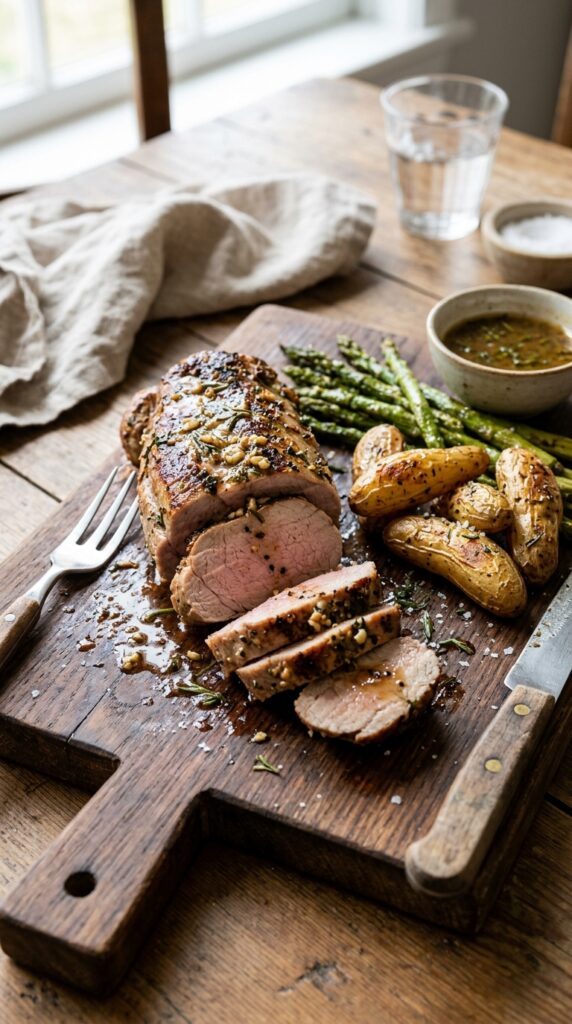
Balsamic glazed pork tenderloin has a sweet, tangy flavor that feels elegant without requiring complicated preparation. Balsamic vinegar provides acidity, while a small amount of honey helps the glaze develop a balanced sweetness. Garlic and thyme give the dish a savory finish.
Ingredients
- 1 pork tenderloin
- 3 tablespoons balsamic vinegar
- 1 tablespoon honey
- 1 tablespoon olive oil
- 2 garlic cloves, minced
- 1/2 teaspoon dried thyme
- 1/2 teaspoon black pepper
- 1/2 teaspoon salt
Instructions
- Preheat the oven to 400°F (200°C).
- Whisk the balsamic vinegar, honey, olive oil, garlic, thyme, salt, and pepper.
- Place the seasoned pork in a baking dish and brush with the glaze.
- Roast until the internal temperature reaches 145°F (63°C), checking regularly toward the end of cooking.
- Rest the pork before slicing.
- For a thicker sauce, simmer any reserved glaze separately in a saucepan until slightly reduced. Do not reuse marinade that has contacted raw pork unless it is thoroughly cooked.
Serving suggestion: Serve with roasted carrots, mashed potatoes, or sautéed green vegetables.
7. Herb-Crusted Oven-Roasted Pork Tenderloin
This herb-crusted version is a lovely option for a special dinner. The outside is covered in a fragrant mixture of herbs and seasonings, while the inside stays tender when cooked correctly. I like the way the herbs create a savory crust that requires very little additional sauce.
Ingredients
- 1 pork tenderloin
- 2 tablespoons olive oil
- 1 tablespoon chopped fresh parsley
- 1 teaspoon chopped rosemary
- 1 teaspoon chopped thyme
- 2 garlic cloves, minced
- 1 teaspoon paprika
- 3/4 teaspoon salt
- 1/2 teaspoon black pepper
Instructions
- Preheat the oven to 400°F (200°C).
- Combine the parsley, rosemary, thyme, garlic, paprika, salt, and pepper.
- Brush the pork with olive oil and press the herb mixture onto the surface.
- Place the tenderloin in a roasting dish and cook for approximately 20 to 30 minutes.
- Check the thickest part with a meat thermometer and remove the pork when it reaches 145°F (63°C).
- Allow it to rest for at least three minutes before cutting into slices.
Serving suggestion: Pair it with garlic mashed potatoes, roasted squash, or a fresh green salad.
8. Spicy Cajun Pork Tenderloin
If you enjoy bold seasoning, Cajun pork tenderloin is a great way to add heat and depth to dinner. Paprika, garlic, onion, thyme, and cayenne create a lively spice rub that develops a delicious crust during cooking. You can adjust the cayenne to make the dish as mild or fiery as you prefer.
Ingredients
- 1 pork tenderloin
- 1 tablespoon olive oil
- 1 teaspoon paprika
- 1/2 teaspoon smoked paprika
- 1 teaspoon garlic powder
- 1 teaspoon onion powder
- 1/2 teaspoon dried thyme
- 1/4 teaspoon cayenne pepper, or to taste
- 3/4 teaspoon salt
- 1/2 teaspoon black pepper
Instructions
- Preheat the oven to 400°F (200°C).
- Mix the seasonings in a small bowl.
- Rub the pork with olive oil, then coat it evenly with the spice mixture.
- Roast for approximately 20 to 30 minutes, checking the internal temperature near the end.
- Remove the pork at 145°F (63°C) and rest it before slicing.
- Serve with lime wedges if you enjoy a fresh, citrusy finish.
Serving suggestion: Serve with rice, sautéed peppers, corn, or a creamy potato side dish to balance the spices.
9. Garlic Butter Pork Tenderloin
Garlic butter pork tenderloin is rich, savory, and easy to prepare. Butter adds a luxurious finish, while garlic and parsley give the meat a familiar, comforting flavor. This recipe works especially well when you want a satisfying dinner using ingredients that are probably already in your kitchen.
Ingredients
- 1 pork tenderloin
- 2 tablespoons butter
- 1 tablespoon olive oil
- 3 garlic cloves, minced
- 1 teaspoon chopped parsley
- 1/2 teaspoon dried thyme
- 1/2 teaspoon black pepper
- 3/4 teaspoon salt
Instructions
- Preheat the oven to 400°F (200°C).
- Season the pork with salt, black pepper, and thyme.
- Heat the olive oil in an oven-safe skillet over medium-high heat and sear the pork on all sides.
- Add the butter and garlic, allowing the butter to melt without burning the garlic.
- Spoon the garlic butter over the tenderloin, then transfer the skillet to the oven if it is oven-safe. Alternatively, transfer the pork to a baking dish and pour the butter mixture over it.
- Roast until the internal temperature reaches 145°F (63°C). Rest the pork and finish with chopped parsley.
Serving suggestion: Serve with mashed potatoes, sautéed spinach, or crusty bread to soak up the garlic butter.
10. Apple and Onion Pork Tenderloin
Apples and onions are a classic pairing for pork because their natural sweetness complements the savory meat. As they cook, the onions soften and the apples become tender, creating a simple side dish in the same pan. A little thyme and mustard keep the flavor balanced rather than overly sweet.
Ingredients
- 1 pork tenderloin
- 2 apples, cored and sliced
- 1 medium onion, sliced
- 1 tablespoon olive oil
- 1 tablespoon Dijon mustard
- 1 teaspoon dried thyme
- 1/2 cup low-sodium chicken stock
- 1/2 teaspoon black pepper
- 3/4 teaspoon salt
Instructions
- Preheat the oven to 400°F (200°C).
- Arrange the sliced apples and onions in a baking dish.
- Mix the olive oil, Dijon mustard, thyme, salt, and pepper, then rub the mixture over the pork.
- Place the tenderloin over the apples and onions and pour the stock around the meat.
- Roast until the pork reaches 145°F (63°C), checking the temperature rather than relying solely on time.
- Rest the pork, slice it, and serve with the softened apples and onions.
Serving suggestion: This dish pairs beautifully with roasted sweet potatoes, brown rice, or steamed green beans.
11. Teriyaki Pork Tenderloin
Teriyaki pork tenderloin is a delicious choice when you want a savory-sweet glaze with an Asian-inspired flavor. Soy sauce provides saltiness, honey adds sweetness, and ginger brings a fresh, aromatic note. The sauce works particularly well with sliced pork served over rice.
Ingredients
- 1 pork tenderloin
- 3 tablespoons low-sodium soy sauce
- 2 tablespoons honey
- 1 tablespoon rice vinegar
- 1 teaspoon freshly grated ginger
- 2 garlic cloves, minced
- 1 teaspoon sesame oil
- 1 teaspoon cornstarch mixed with 1 tablespoon cold water, optional
- Sesame seeds and sliced green onions, for serving
Instructions
- Preheat the oven to 400°F (200°C).
- Whisk the soy sauce, honey, rice vinegar, ginger, garlic, and sesame oil.
- Place the pork in a baking dish and brush with some of the sauce.
- Roast until the thickest part reaches 145°F (63°C).
- While the pork rests, bring the remaining uncontaminated sauce to a simmer in a saucepan. Add the cornstarch slurry and stir until the sauce thickens.
- Slice the pork and drizzle with the cooked teriyaki sauce. Garnish with sesame seeds and green onions.
Serving suggestion: Serve with steamed rice, broccoli, carrots, or stir-fried snap peas.
12. Mediterranean Pork Tenderloin with Lemon and Oregano
This Mediterranean-inspired pork tenderloin is fresh, aromatic, and easy to pair with vegetables. Lemon, oregano, garlic, and olive oil create a bright marinade that enhances the pork without hiding its flavor. It is a good option when you want a meal that feels light but still satisfying.
Ingredients
- 1 pork tenderloin
- 2 tablespoons olive oil
- 2 tablespoons lemon juice
- 3 garlic cloves, minced
- 1 teaspoon dried oregano
- 1/2 teaspoon paprika
- 1/2 teaspoon black pepper
- 3/4 teaspoon salt
- 1 tablespoon chopped parsley
Instructions
- Combine the olive oil, lemon juice, garlic, oregano, paprika, salt, and pepper.
- Coat the pork with the mixture and refrigerate for 30 minutes if you have time. Keep raw pork refrigerated during marinating.
- Preheat the oven to 400°F (200°C).
- Transfer the pork to a baking dish and roast until it reaches 145°F (63°C) internally.
- Rest the tenderloin for at least three minutes before slicing.
- Sprinkle with fresh parsley and serve with lemon wedges.
Serving suggestion: Try it with a tomato and cucumber salad, roasted zucchini, couscous, or lemon rice.
13. Bacon-Wrapped Pork Tenderloin
Bacon-wrapped pork tenderloin is a wonderful choice for occasions when you want a richer, more indulgent main dish. The bacon adds smoky flavor and helps shield parts of the lean tenderloin from direct heat. I recommend seasoning the pork lightly because bacon already contributes saltiness.
Ingredients
- 1 pork tenderloin
- 6 to 8 strips of bacon, enough to wrap the tenderloin
- 1 teaspoon smoked paprika
- 1/2 teaspoon garlic powder
- 1/2 teaspoon black pepper
- 1 teaspoon olive oil, if needed
- Optional: 1 tablespoon maple syrup for a light glaze
Instructions
- Preheat the oven to 400°F (200°C).
- Season the pork with smoked paprika, garlic powder, and black pepper.
- Lay the bacon strips slightly overlapping on a board. Place the pork on top and wrap the bacon around it.
- Place the tenderloin seam-side down in a roasting dish. Secure the bacon with kitchen twine or toothpicks if needed, removing them before serving.
- Roast until the pork reaches 145°F (63°C). If the bacon needs additional browning, briefly use the broiler while watching carefully.
- Rest the meat for at least three minutes, then slice and serve.
Serving suggestion: Pair with roasted potatoes, green beans, or a fresh salad to balance the richness of the bacon.
14. Mushroom Cream Sauce Pork Tenderloin
Pork tenderloin with mushroom cream sauce feels like restaurant-style comfort food but is manageable in a home kitchen. Mushrooms bring an earthy flavor, while cream creates a smooth sauce that coats the pork. Fresh thyme and garlic help tie everything together.
Ingredients
- 1 pork tenderloin, sliced into thick medallions
- 200 g mushrooms, sliced
- 1 tablespoon olive oil
- 1 tablespoon butter
- 2 garlic cloves, minced
- 1/2 cup chicken stock
- 1/2 cup cooking cream
- 1 teaspoon Dijon mustard
- 1/2 teaspoon dried thyme
- Salt and black pepper, to taste
Instructions
- Cut the tenderloin into evenly sized medallions and season with salt and pepper.
- Heat the olive oil in a skillet over medium-high heat. Sear the medallions in batches until browned.
- Continue cooking until the thickest medallions reach 145°F (63°C), checking each piece as needed. Transfer the cooked pork to a clean plate and rest it.
- Add the butter and mushrooms to the skillet. Cook until the mushrooms release their moisture and begin to brown.
- Stir in the garlic and thyme, then add the chicken stock and Dijon mustard.
- Simmer briefly, add the cream, and cook until the sauce thickens slightly. Return the rested pork to the pan briefly to coat it with the sauce.
Serving suggestion: Serve over egg noodles, mashed potatoes, or rice. Add steamed vegetables for a complete meal.
15. Peach-Glazed Pork Tenderloin
Peach-glazed pork tenderloin is a delicious combination of savory meat and fruity sweetness. Peach preserves create a glossy glaze, while mustard and a little vinegar prevent the flavor from becoming too sugary. This recipe is particularly appealing during warm weather when served with grilled vegetables.
Ingredients
- 1 pork tenderloin
- 3 tablespoons peach preserves
- 1 tablespoon Dijon mustard
- 1 tablespoon apple cider vinegar
- 1 tablespoon olive oil
- 1/2 teaspoon smoked paprika
- 1/2 teaspoon black pepper
- 1/2 teaspoon salt
Instructions
- Preheat the oven to 400°F (200°C).
- Mix the peach preserves, Dijon mustard, vinegar, and smoked paprika.
- Rub the pork with olive oil, salt, and black pepper.
- Roast the pork until nearly cooked through, then brush with the peach glaze.
- Continue cooking until the thickest section reaches 145°F (63°C). Watch the glaze carefully because the sugars can brown quickly.
- Rest the pork, slice it, and spoon over any safely cooked glaze from the pan.
Serving suggestion: Serve with grilled corn, roasted sweet potatoes, or a crisp green salad.
16. Ginger Soy Pork Tenderloin
Ginger soy pork tenderloin is savory, aromatic, and easy to adapt to a stir-fry-inspired meal. Fresh ginger adds a gentle warmth, soy sauce contributes savory depth, and a little honey rounds out the flavor. You can roast the tenderloin whole or slice it into medallions for faster skillet cooking.
Ingredients
- 1 pork tenderloin
- 2 tablespoons low-sodium soy sauce
- 1 tablespoon honey
- 1 tablespoon rice vinegar
- 1 tablespoon grated fresh ginger
- 2 garlic cloves, minced
- 1 tablespoon neutral cooking oil
- 1/2 teaspoon black pepper
- 1 teaspoon sesame seeds, optional
Instructions
- Whisk together the soy sauce, honey, rice vinegar, ginger, garlic, and black pepper.
- Coat the pork in the marinade and refrigerate for 30 minutes if time allows.
- Preheat the oven to 400°F (200°C) and transfer the pork to a baking dish.
- Roast until the center reaches 145°F (63°C), allowing approximately 20 to 30 minutes depending on thickness.
- Rest the pork for at least three minutes before slicing.
- If desired, simmer the remaining marinade separately until thoroughly cooked and slightly reduced, then serve it with the pork.
Serving suggestion: Pair with jasmine rice, steamed broccoli, stir-fried cabbage, or sesame noodles.
17. Stuffed Spinach and Cheese Pork Tenderloin
Stuffed pork tenderloin is an excellent choice when you want a main dish that looks impressive when sliced. Spinach, cream cheese, and Parmesan create a creamy filling with a pleasant savory flavor. Although stuffing requires a little extra preparation, the result is worth the effort for a weekend meal or dinner with guests.
Ingredients
- 1 large pork tenderloin
- 1 cup fresh spinach, chopped
- 60 g cream cheese, softened
- 1/4 cup grated Parmesan cheese
- 2 garlic cloves, minced
- 1 tablespoon olive oil
- 1 teaspoon paprika
- 1/2 teaspoon black pepper
- 3/4 teaspoon salt, divided
Instructions
- Preheat the oven to 400°F (200°C).
- Heat a small amount of oil in a skillet and cook the spinach until wilted. Let it cool slightly, then squeeze out excess moisture.
- Mix the spinach with cream cheese, Parmesan, garlic, and a pinch of salt.
- Carefully butterfly the pork by cutting it lengthwise without cutting all the way through. Open it like a book and flatten it gently to an even thickness.
- Spread the filling over the inside, leaving a small border. Roll the tenderloin and secure it with kitchen twine.
- Rub the outside with olive oil, paprika, pepper, and the remaining salt.
- Roast until the center of the pork reaches 145°F (63°C). Check the meat itself rather than relying on the filling’s appearance.
- Rest for at least three minutes before carefully removing the twine and slicing.
Serving suggestion: Serve with roasted potatoes, asparagus, or a simple tomato salad.
18. Smoky Paprika and Cumin Pork Tenderloin
This recipe is perfect for barbecue lovers who enjoy bold, earthy seasoning. Smoked paprika provides a smoky aroma, while cumin adds warmth and depth. The spice blend is simple, inexpensive, and works well on the grill or in the oven.
Ingredients
- 1 pork tenderloin
- 1 tablespoon olive oil
- 1 teaspoon smoked paprika
- 1 teaspoon ground cumin
- 1 teaspoon garlic powder
- 1/2 teaspoon onion powder
- 1/2 teaspoon dried oregano
- 3/4 teaspoon salt
- 1/2 teaspoon black pepper
Instructions
- Combine the smoked paprika, cumin, garlic powder, onion powder, oregano, salt, and pepper.
- Pat the pork dry and rub it with olive oil.
- Press the seasoning mixture over the tenderloin until evenly coated.
- To roast, place the pork in an oven preheated to 400°F (200°C). To grill, sear it over direct heat before finishing over a cooler area.
- Cook until the thickest part reaches 145°F (63°C), adjusting the time according to the cooking method and thickness.
- Rest the meat before slicing across the grain.
Serving suggestion: Serve with grilled peppers, rice, black beans, or a fresh corn salad.
19. Pork Tenderloin Medallions with Mustard Sauce
Pork tenderloin medallions are a smart choice when you need dinner on the table quickly. Cutting the tenderloin into even rounds gives you smaller portions that are easy to sear in a skillet. A mustard sauce made with stock and a little cream brings everything together.
Ingredients
- 1 pork tenderloin, cut into 1-inch medallions
- 1 tablespoon olive oil
- 1/2 teaspoon salt
- 1/2 teaspoon black pepper
- 1 tablespoon Dijon mustard
- 1 teaspoon whole-grain mustard, optional
- 1/2 cup chicken stock
- 1/4 cup cooking cream
- 1 garlic clove, minced
- 1 teaspoon chopped parsley
Instructions
- Season the medallions with salt and black pepper.
- Heat the olive oil in a large skillet over medium-high heat.
- Sear the medallions in batches, turning them to brown both sides. Continue cooking until the center of each piece reaches 145°F (63°C).
- Transfer the pork to a clean plate and allow it to rest for at least three minutes.
- Add the garlic to the skillet and cook briefly. Pour in the stock and scrape up the browned bits from the bottom.
- Stir in both mustards and the cream. Simmer gently until the sauce thickens slightly.
- Return the rested pork to the skillet briefly to coat it in the sauce, then sprinkle with parsley.
Serving suggestion: Serve over mashed potatoes, rice, or buttered noodles with steamed green beans.
20. Slow Cooker Pork Tenderloin with Vegetables
Slow cooker pork tenderloin with vegetables is convenient when you want a meal that requires very little attention during the day. Carrots, potatoes, onions, garlic, and broth create a flavorful base for the pork. Because tenderloin is lean, however, it should not be treated exactly like a fatty pork shoulder that benefits from many hours of cooking.
Ingredients
- 1 pork tenderloin
- 3 medium potatoes, cut into chunks
- 2 carrots, sliced
- 1 medium onion, cut into wedges
- 2 garlic cloves, minced
- 1 cup low-sodium chicken stock
- 1 tablespoon olive oil
- 1 teaspoon dried thyme
- 1 teaspoon paprika
- 1/2 teaspoon black pepper
- 3/4 teaspoon salt
Instructions
- Arrange the potatoes, carrots, and onion in the bottom of the slow cooker.
- Mix the thyme, paprika, salt, and pepper. Rub the seasoning over the pork.
- Heat the olive oil in a skillet and brown the tenderloin on all sides if desired.
- Place the pork over the vegetables and add the garlic and chicken stock around the meat.
- Cover and cook on low, checking the internal temperature well before the expected finish time. Depending on your slow cooker and the thickness of the meat, cooking may take approximately 2 to 4 hours on low, but the thermometer should determine when it is done.
- Remove the pork once it reaches 145°F (63°C) in the thickest section. Rest it for at least three minutes.
- Check that the vegetables are tender. If they need additional time, leave them in the slow cooker while the pork rests.
- Slice the pork and serve it with the vegetables and cooking juices.
Serving suggestion: This is a complete meal on its own, but you can add a fresh salad or steamed green vegetables if desired.
Best Cooking Methods for Pork Tenderloin
One reason these pork tenderloin recipes are so useful is that the same cut can be prepared in several different ways. Choosing the right method depends on the flavor you want, how much time you have, and whether you prefer cooking indoors or outdoors.
Oven-Roasted Pork Tenderloin
Oven roasting is one of the easiest methods for cooking a whole tenderloin. It provides steady heat and gives you time to prepare side dishes while the pork cooks. A temperature of 400°F (200°C) is a useful starting point, although the exact cooking time depends on the thickness of the meat and your oven.
For a better crust, season the pork thoroughly and consider searing it in a hot, oven-safe skillet before roasting. Always check the internal temperature before removing the meat from the oven.
Grilled Pork Tenderloin
Grilling adds a smoky, charred flavor that works particularly well with barbecue rubs, citrus marinades, and sweet glazes. Start by searing the tenderloin over direct heat, then move it to a cooler area of the grill to finish cooking more gently. This two-zone method helps reduce the risk of burning the outside before the center is done.
Brush sugary sauces onto the pork toward the end of cooking because honey, maple syrup, and many barbecue sauces can burn over intense heat. For more grilling inspiration, explore the other pork recipes available at BBQ Grill and Smoke.
Skillet-Cooked Pork Tenderloin
A skillet is ideal for pork tenderloin medallions because the smaller pieces cook faster than a whole roast. Use medium-high heat to brown the outside, then reduce the heat if necessary to finish cooking the center without scorching the surface. An instant-read thermometer is especially helpful when preparing medallions of different thicknesses.
Slow Cooker Pork Tenderloin
The slow cooker offers convenience, especially when you want to cook pork alongside vegetables. However, tenderloin is leaner than many slow-cooking cuts, so it can become dry if left cooking for too long. Check the temperature early and remove the meat once it reaches the recommended safe internal temperature.
Tips for Making Juicy and Flavorful Pork Tenderloin
1. Remove the Silverskin
Silverskin is a thin, shiny membrane that does not soften much during cooking. Slide a sharp knife just beneath it and carefully trim it away without removing too much of the meat. Taking a minute to do this helps improve the texture of your finished dish.
2. Avoid Overcooking
Overcooking is one of the most common reasons pork tenderloin becomes dry. Rather than cooking it for an arbitrary amount of time, use a thermometer to check the center. The recommended final temperature for whole pork tenderloin is 145°F (63°C), followed by a rest of at least three minutes.
3. Pat the Meat Dry Before Searing
Excess surface moisture makes browning more difficult. Use paper towels to dry the pork before adding oil and seasoning. A dry surface helps the meat develop a more attractive crust when it comes into contact with a hot skillet or grill.
4. Build Flavor with Marinades and Rubs
Garlic, paprika, rosemary, thyme, mustard, citrus, and soy sauce all work well with pork tenderloin. You do not need to use every ingredient in one recipe. Choose a few complementary flavors so that the finished dish tastes balanced rather than crowded.
If you marinate pork, keep it refrigerated. Discard used marinade or boil it thoroughly before using it as a sauce. Never brush raw-pork marinade onto fully cooked meat unless it has first been safely cooked.
5. Let the Pork Rest Before Slicing
Resting allows the temperature and juices to settle after cooking. If you slice the meat immediately, more liquid may escape onto the cutting board. A short rest of at least three minutes is important for food safety, and a slightly longer rest can be convenient for a whole roast.
6. Slice Across the Grain
Look for the direction in which the muscle fibers run and cut across them rather than parallel to them. This shortens the fibers and helps each bite feel more tender. Use a sharp knife to make clean slices without crushing the meat.
7. Pair the Pork with the Right Sauce
A good sauce can completely change the character of a pork tenderloin dinner. Honey garlic sauce adds sweetness, mustard sauce brings tanginess, mushroom cream sauce provides richness, and barbecue sauce contributes smoky depth. Choose a sauce that complements the seasoning rather than competing with it.
What to Serve with Pork Tenderloin
Choosing the right side dishes makes your pork tenderloin dinner feel complete. Since pork tenderloin has a relatively mild flavor, it pairs well with a wide variety of vegetables, grains, potatoes, and salads.
Potato Side Dishes
Roasted potatoes, garlic mashed potatoes, crispy potato wedges, and baked sweet potatoes are excellent choices. Their comforting texture works particularly well with herb-roasted pork, garlic butter pork, and mushroom cream sauce.
Fresh and Roasted Vegetables
Green beans, broccoli, asparagus, carrots, zucchini, and Brussels sprouts add color and variety to the plate. Roast vegetables with olive oil, salt, pepper, and a little garlic for a simple side that complements almost any of the recipes in this collection.
Rice and Grain Dishes
Steamed rice, brown rice, couscous, quinoa, and rice pilaf work especially well with teriyaki pork, ginger soy pork, and honey garlic tenderloin. Grains also absorb flavorful sauces, helping you make the most of every serving.
Salads and Slaws
A crisp green salad, cabbage slaw, cucumber salad, or tomato salad provides a refreshing contrast to rich sauces and smoky seasonings. For BBQ pork tenderloin, I especially like a tangy slaw that balances the sweetness of the barbecue glaze.
Bread and Dinner Rolls
Warm bread or dinner rolls can be a useful addition when serving pork with a creamy sauce or pan juices. They are easy to prepare ahead of time and help turn a simple tenderloin into a satisfying family meal.
How to Store and Reheat Leftover Pork Tenderloin
If you have leftover pork tenderloin, allow it to cool slightly and refrigerate it promptly in a shallow, airtight container. For food safety, cooked pork should not remain at room temperature for more than two hours, or more than one hour when the surrounding temperature exceeds 90°F (32°C).
Refrigerated cooked pork is generally best used within three to four days. You can also freeze it in airtight, freezer-safe packaging for longer storage. Label the container with the date so you can keep track of how long it has been stored.
Reheating in the Oven
Place sliced pork in an oven-safe dish with a small amount of stock, sauce, or water. Cover the dish to retain moisture and heat it in a moderate oven until the leftovers reach 165°F (74°C). Avoid reheating the pork longer than necessary.
Reheating in a Skillet
Add a small splash of stock or water to a skillet and warm the sliced pork over medium-low heat. Cover the pan briefly to help retain moisture, stirring or turning the slices as needed. Heat leftovers to 165°F (74°C) before serving.
Using Leftover Pork in Other Meals
Leftover tenderloin can be sliced into sandwiches, added to rice bowls, tossed into stir-fried vegetables, or served in tacos. Cold cooked pork can also be used in a salad if it has been stored safely. Keep sauces and fresh toppings separate until you are ready to serve for the best texture.
Frequently Asked Questions About Pork Tenderloin Recipes
1. What is the best way to cook pork tenderloin?
Oven roasting is an excellent method because it is simple and provides even heat. Grilling is ideal if you want smoky flavor, while skillet cooking works well for medallions. The best method depends on the recipe, but using a thermometer and avoiding overcooking are important regardless of the cooking method.
2. How long should I cook pork tenderloin in the oven?
A tenderloin weighing approximately 1 to 1.25 pounds often takes around 20 to 30 minutes in an oven preheated to 400°F (200°C). Actual cooking time depends on thickness, starting temperature, and oven performance. Always check the thickest part with a meat thermometer and remove the pork when it reaches 145°F (63°C).
3. What temperature should pork tenderloin reach?
For whole pork tenderloin, the recommended safe internal temperature is 145°F (63°C), followed by a rest of at least three minutes. Insert the thermometer into the thickest part of the meat to obtain an accurate reading.
4. Why does my pork tenderloin turn out dry?
Pork tenderloin can become dry when it is cooked for too long because it is a relatively lean cut. Cooking it to the correct internal temperature, resting it before slicing, and using a suitable sauce can help improve the final texture. A thermometer is more reliable than judging doneness by color alone.
5. Should I sear pork tenderloin before roasting it?
Searing is optional, but I recommend it when you want a deeper golden crust and additional roasted flavor. Brown the meat on all sides in a hot skillet before transferring it to the oven. Searing does not replace the need to cook the pork to a safe internal temperature.
6. Can I cook pork tenderloin on a grill?
Yes. Pork tenderloin is well suited to grilling because it cooks relatively quickly. Sear the outside over direct heat, then move it to a cooler area to finish cooking. Use a thermometer to check that the thickest section reaches 145°F (63°C).
7. What is the difference between pork loin and pork tenderloin?
Pork tenderloin is a long, narrow, lean muscle that cooks relatively quickly. Pork loin is a larger and wider cut that can be sold boneless or bone-in. Because the cuts differ in thickness and structure, their cooking times and methods are not always interchangeable.
8. Can I marinate pork tenderloin overnight?
Many pork tenderloin marinades can be prepared several hours ahead, and some can be refrigerated overnight. However, marinades containing a lot of acidic ingredients, such as lemon juice or vinegar, may change the texture if the meat sits in them for too long. Follow the recipe’s recommended marinating time and keep the pork refrigerated throughout.
9. What are the best seasonings for pork tenderloin?
Garlic, black pepper, smoked paprika, rosemary, thyme, cumin, mustard, and citrus are all excellent choices. Honey, maple syrup, soy sauce, and barbecue sauce can add sweetness or savory depth. Select seasonings according to the flavor profile you want, whether it is smoky, fresh, spicy, or sweet.
10. Can I prepare pork tenderloin ahead of time?
Yes. You can trim the meat, mix the seasonings, and prepare a marinade in advance. Keep the raw pork covered in the refrigerator until you are ready to cook it. For the best texture, cook the tenderloin close to serving time, then rest and slice it just before bringing it to the table.
11. Is pork tenderloin suitable for a quick weeknight dinner?
Absolutely. Because it is a relatively small cut, pork tenderloin can often be cooked in around 20 to 30 minutes in a hot oven, depending on its size and thickness. Simple seasonings and easy side dishes make it a practical choice when you want a flavorful dinner without spending hours in the kitchen.
12. Can I freeze cooked pork tenderloin?
Yes. Allow the cooked pork to cool appropriately, package it in an airtight freezer-safe container, and label it with the date. For best quality, use frozen cooked pork within two to three months. Thaw it safely in the refrigerator before reheating, and heat leftovers to 165°F (74°C).
Final Thoughts on These 20 Pork Tenderloin Recipes
I hope these 20 pork tenderloin recipes give you plenty of inspiration for your next family dinner, weekend cookout, or special occasion. From classic garlic and herb pork to sticky honey garlic tenderloin, smoky BBQ pork, creamy mushroom sauce, and convenient slow cooker meals, there is an option here for almost every cooking style and flavor preference.
My advice is to start with the recipe that sounds most appealing and then experiment with different seasonings, sauces, and side dishes. A simple tenderloin can become a completely different meal with a new marinade or spice rub. You can keep things traditional with roasted potatoes and vegetables, or try rice bowls, fresh salads, and grilled sides for something different.
Above all, pay attention to the internal temperature, avoid overcooking, and let the meat rest before slicing. These simple steps make a real difference when preparing juicy pork tenderloin at home.
If you enjoy barbecue and grilled meals, continue exploring BBQ Grill and Smoke for more recipe inspiration, cooking tips, and ideas to make your next meal memorable. Choose a recipe, gather your ingredients, and enjoy bringing a delicious pork tenderloin dinner to your table.
Pork Tenderloin Recipes
If you are looking for delicious ways to prepare pork without making dinner complicated, these 20 pork tenderloin recipes are a wonderful place to start. I love how versatile pork tenderloin can be because it works beautifully with smoky barbecue seasoning, sweet honey garlic sauce, fresh herbs, tangy marinades, and rich pan sauces.
Ingredients
- 1 pork tenderloin, approximately 1 to 1.25 pounds
- 2 tablespoons olive oil
- 3 garlic cloves, minced
- 1 teaspoon dried rosemary
- 1 teaspoon dried thyme
- 1 teaspoon paprika
- 1/2 teaspoon black pepper
- 3/4 teaspoon salt, or to taste
Instructions
- Preheat the oven to 400°F (200°C). Pat the pork dry and remove any silverskin.
- Mix the olive oil, garlic, rosemary, thyme, paprika, salt, and black pepper in a small bowl.
- Rub the mixture over the entire tenderloin, making sure the ends are seasoned as well.
- Place the pork in a lightly greased roasting dish and roast for approximately 20 to 30 minutes, checking the internal temperature near the end.
- Remove the pork when it reaches 145°F (63°C), rest for at least three minutes, and slice before serving.
Nutrition Information:
Yield: 6 Serving Size: 1Amount Per Serving: Calories: 65Total Fat: 5gSaturated Fat: 1gUnsaturated Fat: 4gCholesterol: 10mgSodium: 303mgCarbohydrates: 1gFiber: 0gSugar: 0gProtein: 4g