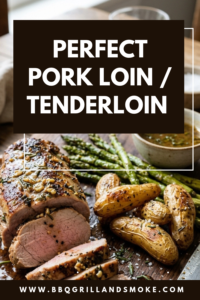
If you are looking for a dinner recipe that delivers incredible flavor without requiring hours in the kitchen, this best damn roasted pork tenderloin is exactly what you need. It is one of those meals that looks impressive when you bring it to the table but is surprisingly easy to prepare. With a beautifully browned exterior, a delicious garlic and herb coating, and a juicy, tender center, this oven-roasted pork tenderloin makes an excellent choice for both everyday family dinners and special occasions.
I love pork tenderloin because it is naturally tender, cooks relatively quickly, and absorbs seasonings beautifully. Unlike larger pork roasts that require several hours of cooking, tenderloin is a smaller cut that can be ready in approximately 30 minutes, depending on its thickness. That makes it especially useful when I want to prepare something satisfying without spending the entire evening cooking.
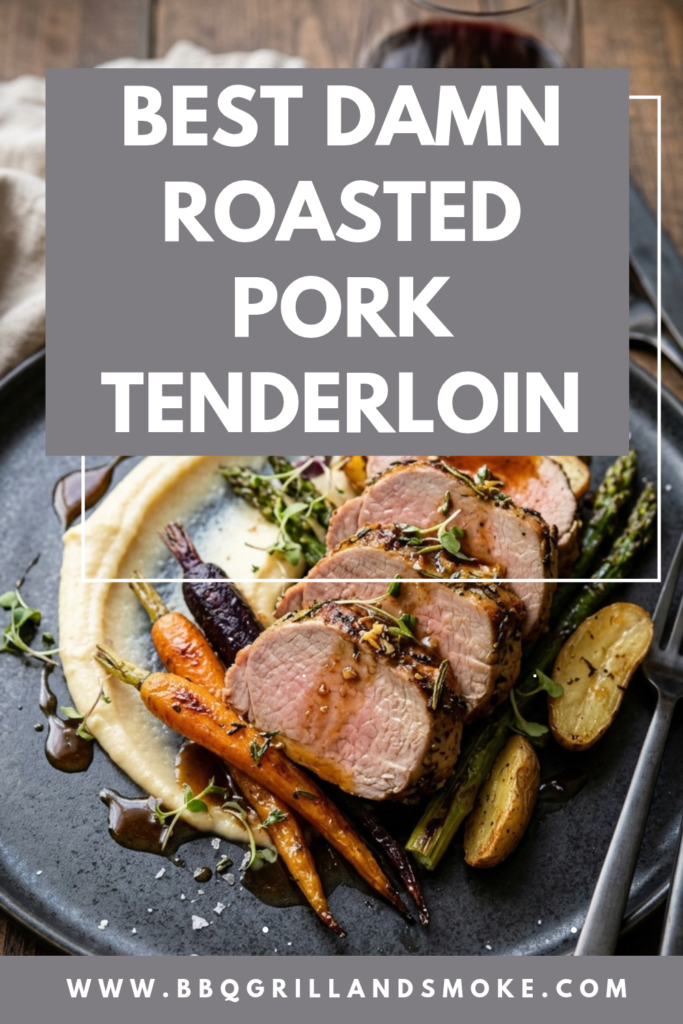
The secret to making this roasted pork tenderloin delicious is combining a flavorful seasoning mixture with the right cooking temperature and timing. Garlic, rosemary, thyme, paprika, olive oil, salt, and black pepper create a savory coating that complements the natural sweetness of the pork. Roasting at a high temperature helps develop a golden-brown exterior while keeping the inside moist and tender.
Another reason this recipe works so well is its versatility. You can serve it with roasted potatoes, steamed vegetables, rice, fresh salads, or your favorite barbecue-inspired side dishes. It is simple enough for a weeknight meal but flavorful enough to serve when you have guests coming over.
Whether you are preparing pork tenderloin for the first time or looking for a dependable way to improve your usual dinner routine, this recipe is worth keeping. Follow my simple instructions, pay attention to the internal temperature, and you will have a delicious roasted pork tenderloin that everyone will enjoy.
Why You Will Love This Best Damn Roasted Pork Tenderloin
There are plenty of ways to cook pork tenderloin, but roasting it in the oven is one of my favorite methods. It requires minimal preparation, uses everyday ingredients, and produces a wonderful combination of texture and flavor.
- Juicy and tender: Cooking the pork to the correct internal temperature helps prevent it from becoming dry or tough.
- Easy preparation: You only need a few basic ingredients and approximately 10 minutes of preparation time.
- Wonderful garlic herb flavor: Garlic, rosemary, thyme, and paprika create a delicious savory seasoning.
- Quick cooking: Pork tenderloin cooks much faster than larger pork roasts.
- Perfect for different occasions: Serve it for a casual dinner, Sunday lunch, holiday gathering, or special family meal.
- Easy to customize: You can adjust the seasonings, add your favorite herbs, or prepare a simple sauce to accompany the pork.
Ingredients for Best Damn Roasted Pork Tenderloin
You do not need an expensive collection of ingredients to make a delicious pork tenderloin. Most of the ingredients in this recipe are pantry staples that you may already have at home. Each one contributes to the final flavor, helping create a deliciously seasoned exterior without overpowering the pork.
Main Ingredients
Preparation Time: 10 minutes
Cook Time: 20–30 minutes
Resting Time: 5–10 minutes
Total Time: Approximately 40–50 minutes
Yield: 6 servings
Cooking Method: Oven roasting
Oven Temperature: 400°F (200°C)
- 2 pork tenderloins, approximately 1 to 1.25 pounds each: Pork tenderloin is the main ingredient. Choose fresh tenderloins that are similar in thickness so they cook evenly. Remove any silver skin before seasoning.
- 3 tablespoons olive oil: Olive oil helps the seasoning adhere to the meat and encourages a nicely browned exterior.
- 4 garlic cloves, minced: Fresh garlic provides a wonderful savory aroma and rich flavor that works beautifully with pork.
- 2 teaspoons dried rosemary: Rosemary adds an earthy, fragrant flavor that complements roasted pork.
- 2 teaspoons dried thyme: Thyme brings a mild herbal flavor and balances the richness of the meat.
- 2 teaspoons paprika: Paprika contributes color and a subtle sweetness to the seasoning mixture.
- 1 teaspoon black pepper: Freshly ground black pepper adds a little warmth and enhances the other seasonings.
- 1½ teaspoons salt: Salt enhances the natural flavor of the pork. Adjust slightly according to your taste.
- 1 tablespoon Dijon mustard (optional): Adds a mild tangy flavor and helps the seasoning mixture cling to the pork.
- 1 tablespoon fresh lemon juice (optional): A little acidity brightens the overall flavor and helps balance the herbs.
Instructions for the Best Damn Roasted Pork Tenderloin
Making this recipe is straightforward. The most important things are preparing the pork properly, distributing the seasoning evenly, using a properly preheated oven, and checking the internal temperature before removing the meat. Here is how I prepare it from beginning to end.
Step 1: Preheat the Oven
Preheat your oven to 400°F (200°C). Allow it to reach the correct temperature before placing the pork inside. Starting with a properly heated oven helps the tenderloin cook consistently and encourages the outside to develop a lightly browned surface.
Prepare a rimmed baking sheet or a shallow oven-safe roasting dish. For easier cleanup, you can line the baking sheet with aluminum foil. If you are using a roasting dish, lightly grease it with a little olive oil to help prevent sticking.
If you prefer a more deeply browned exterior, you can also use an oven-safe skillet for the entire cooking process. This makes it possible to sear the pork on the stovetop before transferring the skillet directly into the oven.
Step 2: Prepare the Pork Tenderloins
Remove the pork tenderloins from their packaging and place them on a clean cutting board. Use paper towels to pat the meat completely dry. Removing excess moisture is important because a dry surface browns more effectively during roasting.
Next, inspect the tenderloins for any visible silver skin. Silver skin is a thin, shiny connective tissue that can become chewy during cooking. Carefully slide a sharp knife underneath it and trim it away without removing too much of the surrounding meat.
Also remove any large pieces of excess fat. You do not need to remove every small amount of fat because a little can contribute to flavor, but trimming away thick unwanted sections helps the finished tenderloin look neat.
Try to choose tenderloins with similar thickness. If one end is particularly thin, you can tuck it underneath and secure it with kitchen twine if necessary. This helps the pork cook more evenly.
Step 3: Prepare the Garlic Herb Seasoning
In a small mixing bowl, combine the olive oil, minced garlic, dried rosemary, dried thyme, paprika, black pepper, and salt.
If you are using Dijon mustard and lemon juice, add them to the mixture as well. Stir everything together until the ingredients form a thick, fragrant seasoning paste.
Take a moment to smell the mixture. The garlic and herbs should create a wonderful savory aroma. The olive oil helps distribute the flavors evenly and makes it easier to coat every part of the pork.
For a slightly different flavor, you can add a small pinch of onion powder or smoked paprika. However, I recommend keeping the seasoning balanced so the natural flavor of the pork remains the star of the dish.
Step 4: Season the Pork Tenderloins
Place the prepared tenderloins in a shallow dish or on your prepared baking sheet. Spoon the garlic herb mixture over the pork, then use clean hands or a pastry brush to spread it evenly across every side.
Make sure you coat the top, bottom, and sides. Pay special attention to the thinner sections because these areas can sometimes cook faster and benefit from having the seasoning distributed evenly.
For the best flavor, allow the seasoned pork to rest for approximately 10–15 minutes before roasting if time permits. This gives the seasoning a chance to settle onto the surface of the meat.
Avoid leaving raw pork at room temperature for extended periods. If you want to season it further in advance, cover it and refrigerate it until you are ready to cook.
Step 5: Sear the Pork (Optional but Recommended)
Although searing is optional, I recommend it when you want a more attractive golden-brown exterior and an extra layer of roasted flavor.
Heat a tablespoon of olive oil in an oven-safe skillet over medium-high heat. Once the oil is hot, carefully place the seasoned tenderloins into the skillet.
Sear each side for approximately 1–2 minutes, turning carefully with kitchen tongs. You are not trying to cook the pork all the way through at this stage. The goal is simply to develop a beautiful brown crust on the outside.
Once the tenderloins are browned, transfer the skillet to the preheated oven. If you are not using an oven-safe skillet, move the pork to your prepared roasting dish.
Step 6: Roast the Pork Tenderloin
Place the pork tenderloins in the preheated 400°F (200°C) oven. Position them in a single layer, leaving a little space between the pieces so the hot air can circulate around them.
Roast for approximately 20–30 minutes, depending on the thickness of the tenderloins and whether you seared them beforehand. Smaller or thinner tenderloins may finish sooner, while thicker pieces may need additional time.
Rather than relying entirely on the clock, use an instant-read meat thermometer to monitor the internal temperature. Insert the thermometer into the thickest part of the tenderloin without touching the baking pan.
For safe cooking, the USDA recommends cooking whole cuts of pork to an internal temperature of 145°F (63°C), followed by at least a 3-minute rest. Remove the tenderloin from the oven when it reaches that temperature.
The pork may have a slight blush of pink in the center when properly cooked. This is normal and does not necessarily mean the meat is undercooked. Temperature, rather than color alone, is the reliable way to determine doneness.
Step 7: Rest the Pork Before Slicing
Once the pork reaches 145°F (63°C), carefully remove it from the oven. Transfer the tenderloins to a clean cutting board and loosely cover them with aluminum foil.
Allow the meat to rest for approximately 5–10 minutes. Resting gives the juices time to redistribute throughout the tenderloin and makes slicing easier.
Avoid cutting the pork immediately after removing it from the oven. If you slice it too early, more of the flavorful juices can escape onto the cutting board instead of remaining in the meat.
Step 8: Slice and Serve
After resting, use a sharp knife to slice the tenderloins into pieces approximately half an inch thick. Cut across the grain to help create tender, easy-to-chew slices.
Arrange the slices on a serving platter. Spoon any flavorful juices from the cutting board or roasting dish over the meat. If you like, garnish with fresh rosemary or parsley and a little freshly cracked black pepper.
Your best damn roasted pork tenderloin is now ready to enjoy. Serve it while warm alongside your favorite vegetables, potatoes, rice, or salad.
Tips for Making Juicy and Tender Roasted Pork Tenderloin
A few simple techniques can make a noticeable difference in the final result. Here are the tips I recommend whenever you prepare pork tenderloin in the oven.
1. Do Not Overcook the Pork
This is probably the most important tip. Pork tenderloin is a lean cut of meat, which means it can become dry if it stays in the oven too long. Use an instant-read thermometer and remove the meat when it reaches 145°F (63°C). Allow it to rest for at least 3 minutes before serving.
2. Pat the Pork Dry Before Seasoning
Excess surface moisture can interfere with browning. Before adding the olive oil and seasoning mixture, thoroughly pat the tenderloin dry with paper towels. This simple step helps create a more attractive roasted exterior.
3. Remove the Silver Skin
Silver skin is a tough connective tissue that does not become tender during normal roasting. Trimming it away improves the texture and makes the finished pork easier to slice and enjoy.
4. Use Fresh Herbs When Available
Dried herbs are convenient and work beautifully in this recipe, but fresh herbs can provide a brighter flavor. Fresh rosemary and thyme are particularly good with pork. If substituting fresh herbs, use approximately three times the amount of dried herbs called for in the recipe.
5. Avoid Constantly Opening the Oven
Every time you open the oven door, some heat escapes. This can increase the cooking time and make the temperature less consistent. Allow the pork to roast undisturbed and begin checking its temperature as it approaches the expected cooking time.
6. Let the Meat Rest
Resting is an essential part of preparing tender pork. Even if you are hungry and ready to eat, give the tenderloin a few minutes before slicing. This small amount of patience helps preserve its moisture.
7. Slice Against the Grain
Cutting against the grain shortens the muscle fibers, making each slice easier to chew. Use a sharp knife and make clean, even cuts for attractive serving portions.
Delicious Variations of Roasted Pork Tenderloin
One of the things I appreciate about this recipe is how easily you can change the seasoning to suit your preferences. The basic roasting method stays the same, but different flavor combinations can give you a completely different meal.
Garlic Butter Roasted Pork Tenderloin
For a richer flavor, replace part of the olive oil with melted butter. Combine the butter with minced garlic, rosemary, thyme, and black pepper. Brush the mixture over the pork before roasting. You can also spoon a little melted garlic butter over the sliced pork just before serving.
Honey Garlic Pork Tenderloin
If you enjoy a sweet and savory combination, mix 2 tablespoons of honey with 2 tablespoons of olive oil, minced garlic, and a little Dijon mustard. Brush the mixture over the pork before roasting. Because honey can brown quickly, watch the surface during cooking and avoid excessive heat.
Smoky Paprika Pork Tenderloin
For a barbecue-inspired flavor, use smoked paprika instead of regular paprika. Add a little onion powder, garlic powder, black pepper, and a small amount of brown sugar. This variation works particularly well when served with roasted potatoes, corn, coleslaw, or grilled vegetables.
Lemon Herb Pork Tenderloin
For a lighter flavor, combine olive oil, lemon juice, lemon zest, garlic, rosemary, and thyme. The citrus adds freshness and balances the savory herbs. This version is especially delicious with green beans, roasted carrots, and fresh garden salad.
Spicy Roasted Pork Tenderloin
If you enjoy a little heat, add ½ teaspoon of cayenne pepper or chili powder to the seasoning mixture. You can increase the amount according to your preference. The spice works well with garlic, paprika, and rosemary.
What to Serve with Roasted Pork Tenderloin
This pork tenderloin is flavorful enough to stand on its own, but pairing it with the right side dishes makes the meal even more enjoyable. I like choosing sides that complement the garlic and herb seasoning without overpowering the meat.
Roasted Garlic Parmesan Potatoes
Crispy roasted potatoes are a natural companion to pork tenderloin. Toss potato chunks with olive oil, garlic, Parmesan cheese, salt, and black pepper, then roast until golden and tender. Their crispy edges and savory flavor complement the juicy pork beautifully.
Steamed Green Beans
Green beans are a simple vegetable side that adds freshness and color to the plate. Steam them until tender-crisp, then toss with a little butter, garlic, and lemon juice.
Roasted Carrots
Roasted carrots bring a gentle natural sweetness that balances the savory pork seasoning. Toss them with olive oil, salt, pepper, and a little honey before roasting.
Mashed Potatoes
Creamy mashed potatoes are perfect when you want a comforting dinner. Prepare them with butter, milk, garlic, and a little salt. Serve the sliced pork alongside the potatoes and spoon some of the roasting juices over the top.
Fresh Garden Salad
A crisp salad is a refreshing way to balance a warm roasted meal. Combine lettuce, tomatoes, cucumbers, carrots, and red onions. Finish with a light vinaigrette or lemon dressing.
Rice or Buttered Noodles
Rice and buttered noodles are easy options when you need something filling. Both work particularly well with the natural juices from the roasted pork.
How to Store Leftover Roasted Pork Tenderloin
If you have leftovers, do not let them go to waste. Properly stored roasted pork tenderloin makes an excellent addition to sandwiches, salads, wraps, and quick lunches.
Refrigerating Leftovers
Allow the pork to stop steaming heavily, then divide it into smaller portions and place it in shallow, airtight containers. Refrigerate within 2 hours of cooking. Properly refrigerated cooked pork can generally be kept for 3–4 days.
I recommend storing the pork with a little of its cooking juice whenever possible. This helps keep it moist when you reheat it later.
Freezing Roasted Pork Tenderloin
For longer storage, slice or portion the cooked pork and place it in freezer-safe containers or tightly sealed freezer bags. Remove as much excess air as possible before sealing.
For best quality, use frozen cooked pork within approximately 2–3 months. Label the container with the date so you can keep track of how long it has been stored.
How to Reheat Leftover Pork
The best way to reheat pork tenderloin is gently in the oven. Place the slices in an oven-safe dish, add a tablespoon or two of broth or leftover cooking juices, and cover with foil. Heat in a 325°F (163°C) oven until thoroughly heated to 165°F (74°C).
You can also reheat individual portions in the microwave. Place the slices on a microwave-safe plate, add a little liquid, cover loosely, and heat in short intervals until steaming hot. Avoid overheating because lean pork can dry out quickly.
Frequently Asked Questions (FAQs)
1. What is the best temperature to roast pork tenderloin?
I recommend roasting pork tenderloin at 400°F (200°C). This temperature provides a good balance between cooking the center and developing a nicely browned exterior. Always check the internal temperature rather than relying only on cooking time.
2. How long does pork tenderloin take to cook at 400°F?
Most pork tenderloins take approximately 20–30 minutes at 400°F (200°C), depending on their thickness, starting temperature, and whether they have been seared. Use an instant-read thermometer to check for an internal temperature of 145°F (63°C).
3. How do I keep roasted pork tenderloin from drying out?
The most effective way is to avoid overcooking it. Pork tenderloin is lean, so it does not need excessive cooking time. Use a meat thermometer, remove the pork at 145°F (63°C), and allow it to rest before slicing.
4. Should I cover pork tenderloin when roasting?
No, you generally do not need to cover pork tenderloin while roasting. Leaving it uncovered allows the outside to brown more effectively. However, you can loosely cover it with aluminum foil during the resting period after cooking.
5. Should I sear pork tenderloin before roasting?
Searing is optional, but I recommend it if you want a deeper golden-brown exterior. Brown each side in a hot skillet for approximately 1–2 minutes before transferring the pork to the oven. You can also skip this step when you want to keep preparation simple.
6. Is pork tenderloin supposed to be pink in the middle?
Yes. Pork tenderloin can have a slight pink color in the center when it has reached the recommended safe internal temperature of 145°F (63°C) and rested for at least 3 minutes. A little pink does not automatically mean that the pork is undercooked.
7. Can I prepare the pork tenderloin ahead of time?
Absolutely. You can trim the silver skin and prepare the seasoning mixture in advance. Coat the pork, cover it, and refrigerate until you are ready to roast. For food safety, keep raw pork refrigerated at 40°F (4°C) or below and cook it within a suitable refrigerated storage period.
8. Can I use this recipe for pork loin instead of pork tenderloin?
You can use similar seasonings for pork loin, but the cooking time will be different. Pork loin is generally larger and thicker than tenderloin, so it requires a longer roasting time. Use a meat thermometer to determine when it reaches 145°F (63°C).
9. Do I need to marinate pork tenderloin?
No, marinating is not necessary for this recipe. The garlic herb seasoning provides plenty of flavor. However, you can refrigerate the seasoned pork for a few hours before cooking if you want to prepare it ahead of time.
10. Can I cook two pork tenderloins at the same time?
Yes. This recipe is designed for two pork tenderloins, which provide approximately six servings. Arrange them in a single layer with enough space for hot air to circulate. Check each tenderloin separately because they may not finish cooking at exactly the same time.
11. What is the difference between pork loin and pork tenderloin?
Pork tenderloin is a long, narrow, lean cut that cooks relatively quickly. Pork loin is a wider and larger cut that generally takes longer to roast. Although they can use similar seasonings, they should not be cooked using identical timing.
12. Can I make roasted pork tenderloin without olive oil?
Yes. You can substitute another suitable cooking oil, such as avocado oil. A little fat helps distribute the seasonings and encourages browning, but you can adjust the amount according to your preference.
Conclusion
This best damn roasted pork tenderloin is proof that a delicious homemade dinner does not need to be complicated. With two tenderloins, a handful of everyday ingredients, and a simple garlic herb seasoning, you can prepare a meal that is juicy, flavorful, and satisfying.
What makes this recipe special is the combination of simple preparation and excellent results. The garlic, rosemary, thyme, and paprika create a savory coating, while roasting at 400°F helps develop a beautifully browned exterior. Most importantly, monitoring the internal temperature helps ensure that the pork stays tender instead of becoming dry.
I love serving this roasted pork tenderloin with garlic mashed potatoes, roasted vegetables, or a fresh garden salad. It is an easy meal to adapt to different occasions, and the leftovers are just as useful for sandwiches and quick lunches.
If you have been searching for a dependable pork dinner that your family will request again, give this recipe a try. Follow the cooking instructions, allow the pork to rest before slicing, and enjoy every juicy bite.
When you make it, experiment with your favorite herbs and side dishes to make it your own. I hope this becomes one of your favorite ways to prepare pork tenderloin!
Recipe Summary: Best Damn Roasted Pork Tenderloin
Servings: 6
Preparation Time: 10 minutes
Cook Time: 20–30 minutes
Resting Time: 5–10 minutes
Total Time: 40–50 minutes
Oven Temperature: 400°F (200°C)
Quick Instructions
- Preheat the oven to 400°F (200°C).
- Pat the pork tenderloins dry and remove the silver skin.
- Combine olive oil, garlic, rosemary, thyme, paprika, salt, and black pepper.
- Coat both tenderloins evenly with the seasoning mixture.
- Optionally sear the pork in a hot skillet for 1–2 minutes per side.
- Roast for approximately 20–30 minutes, checking the thickest part with a meat thermometer.
- Remove from the oven at 145°F (63°C) and allow the pork to rest for at least 3 minutes.
- Slice against the grain and serve warm with your favorite side dishes.
My best tip: Do not overcook the pork. An instant-read thermometer is the easiest way to achieve juicy, tender results every time.
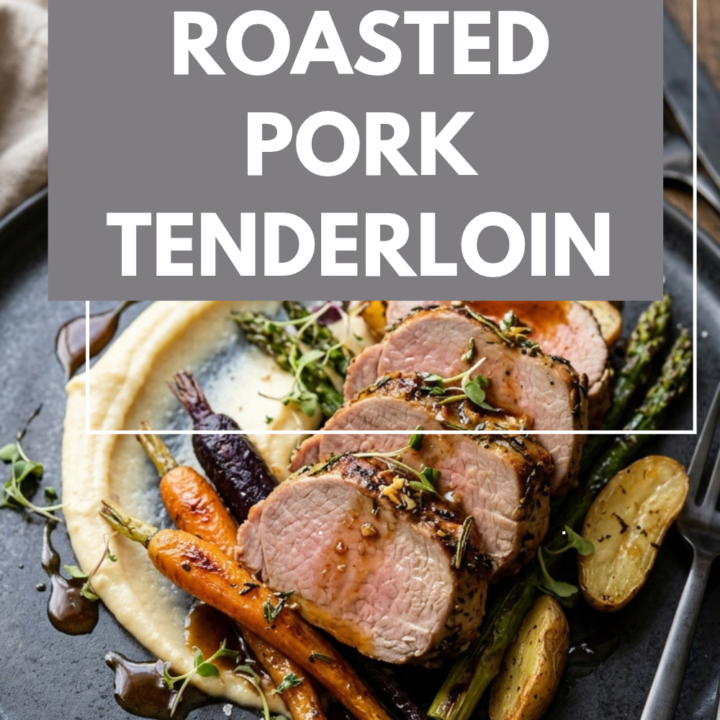
Best Damn Roasted Pork Tenderloin
If you are looking for a dinner recipe that delivers incredible flavor without requiring hours in the kitchen, this best damn roasted pork tenderloin is exactly what you need. It is one of those meals that looks impressive when you bring it to the table but is surprisingly easy to prepare. With a beautifully browned exterior, a delicious garlic and herb coating, and a juicy, tender center, this oven-roasted pork tenderloin makes an excellent choice for both everyday family dinners and special occasions.
Ingredients
- 2 pork tenderloins (approximately 1–1.25 pounds each)
- 3 tablespoons olive oil
- 4 garlic cloves, minced
- 2 teaspoons dried rosemary
- 2 teaspoons dried thyme
- 2 teaspoons paprika
- 1 teaspoon black pepper
- 1½ teaspoons salt
- 1 tablespoon Dijon mustard (optional)
- 1 tablespoon fresh lemon juice (optional)
Instructions
- Preheat the Oven: Preheat the oven to 400°F (200°C). Lightly grease a baking dish or line a rimmed baking sheet with aluminum foil.
- Prepare the Pork: Remove the pork tenderloins from their packaging. Pat dry with paper towels and trim away any silver skin or excess fat.
- Make the Seasoning: In a small bowl, combine olive oil, minced garlic, rosemary, thyme, paprika, black pepper, salt, Dijon mustard, and lemon juice (if using). Mix until well combined.
- Season the Pork: Place the tenderloins in the prepared baking dish. Rub the garlic herb mixture evenly over all sides of the pork. Allow the seasoning to sit for 10–15 minutes if time permits.
- Sear the Pork (Optional): Heat 1 tablespoon of olive oil in an oven-safe skillet over medium-high heat. Sear the tenderloins for 1–2 minutes per side until nicely browned.
- Roast the Pork: Transfer the skillet to the preheated oven, or place the tenderloins in the prepared baking dish. Roast for approximately 20–30 minutes, depending on thickness, until the internal temperature reaches 145°F (63°C).
- Rest the Meat: Remove the pork from the oven and transfer it to a cutting board. Loosely cover with foil and rest for 5–10 minutes before slicing.
- Slice and Serve: Slice the pork into ½-inch thick pieces against the grain. Spoon the pan juices over the slices and garnish with fresh parsley or rosemary if desired. Serve warm.
Notes
- Check the Temperature: Use an instant-read meat thermometer to ensure the thickest part reaches 145°F (63°C).
- Don't Overcook: Pork tenderloin is lean and can become dry when overcooked.
- Searing Is Optional: Searing adds a delicious golden-brown crust but is not required.
- Rest Before Slicing: Allowing the pork to rest helps retain its juices.
- Storage: Refrigerate leftovers in an airtight container for up to 3–4 days.
- Reheating: Warm gently in the oven at 300°F (150°C), covered with foil, or microwave in short intervals to prevent drying out.