If you are wondering, can you eat pork on a low blood pressure diet?, the short answer is yes, in many cases you can. I love pork because it is flavorful, versatile, satisfying, and easy to prepare in countless ways, from a simple grilled pork tenderloin to smoky barbecue ribs. However, when I am thinking about a low blood pressure diet, I pay attention not only to the pork itself but also to the amount of sodium, the cut of meat, the cooking method, portion size, and the other foods served alongside it.
Low blood pressure, also called hypotension, does not automatically mean that every high-sodium food should be added freely to the diet. Some people with symptomatic low blood pressure may be advised by a healthcare professional to increase fluids or sodium, while others may have medical conditions that make excess sodium inappropriate. Mayo Clinic specifically notes that increasing salt can sometimes help people with low blood pressure, but it should be done carefully and with guidance from a healthcare professional because excessive sodium can create other health risks.
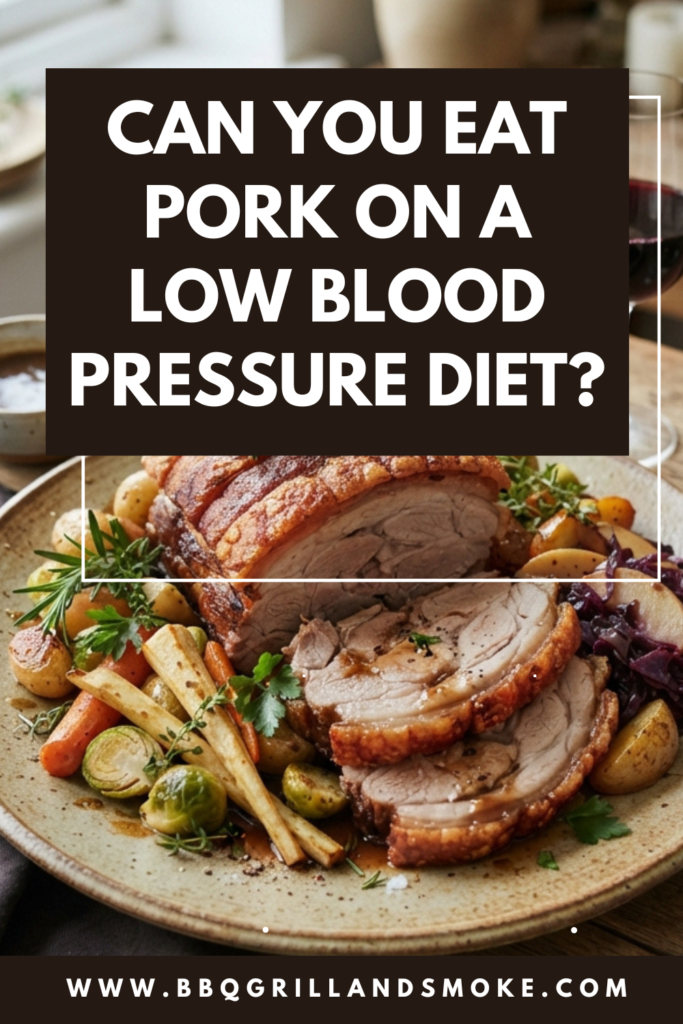
That is why I would not describe pork as either a universally good or universally bad food for hypotension. Instead, I see pork as one possible protein choice that can fit into a balanced eating pattern. Fresh, minimally processed pork can be prepared with herbs, spices, vegetables, whole grains, and healthy fats, while processed pork such as bacon, sausage, cured ham, and some deli meats can contain considerably more sodium.
Quick answer: Yes, you can often eat pork on a low blood pressure diet. Choose fresh or minimally processed pork when possible, watch sodium levels, stay adequately hydrated, and follow your healthcare professional’s advice about salt intake. If your low blood pressure causes dizziness, fainting, confusion, or other concerning symptoms, seek medical advice rather than trying to manage it with food alone.
Can You Eat Pork on a Low Blood Pressure Diet?
So, can you eat pork on a low blood pressure diet? For most people, pork does not have to be eliminated simply because blood pressure runs low. Pork is a source of protein and can provide nutrients such as vitamin B12, niacin, vitamin B6, zinc, phosphorus, and selenium, depending on the cut and serving size.
What matters most is the overall dietary pattern. A pork chop cooked at home with garlic, black pepper, paprika, rosemary, olive oil, and vegetables is very different from a highly processed sausage served with salty fries and a large amount of barbecue sauce.
I also think it is important to separate fresh pork from processed pork. Fresh pork tenderloin, loin chops, and other fresh cuts give me much more control over the ingredients. With bacon, sausage, ham, and cured pork products, sodium can be much more significant because salt is commonly used during processing and preservation.
Fresh Pork Versus Processed Pork
When I am planning meals for someone concerned about low blood pressure, I would generally start with fresh pork rather than processed pork. Fresh pork allows me to control how much salt goes into the recipe. I can build flavor with garlic, onion, smoked paprika, thyme, rosemary, black pepper, lemon juice, vinegar, chili powder, or other salt-free seasonings.
Processed pork is not automatically forbidden, but I would treat it more carefully. Bacon, sausage, ham, pepperoni-style pork products, and cured meats can contribute significant amounts of sodium to a meal. If a healthcare professional has recommended increasing sodium because of symptomatic hypotension, processed foods may seem convenient, but they are not necessarily the best long-term strategy for achieving a balanced diet.
How Sodium Fits Into a Low Blood Pressure Diet
Sodium deserves special attention because it affects fluid balance and blood pressure. The American Heart Association explains that sodium helps regulate fluid balance, and excess sodium can increase the amount of fluid in the bloodstream and raise blood pressure.
For people with low blood pressure, however, the situation can be different. Mayo Clinic notes that some people with hypotension may benefit from more salt because sodium can increase blood pressure. At the same time, too much sodium can be problematic, particularly for people with conditions such as heart failure or other medical concerns.
This is why I would avoid giving everyone with low blood pressure the same sodium target. A person who occasionally has a naturally low reading and feels perfectly well may need something completely different from someone experiencing recurrent orthostatic hypotension caused by medication, dehydration, illness, or another medical condition.
Important: If your doctor has specifically told you to increase sodium because of low blood pressure, follow that individualized recommendation. If you have heart, kidney, or other conditions that require sodium restriction, do not deliberately increase salt without discussing it with your healthcare professional.
Which Pork Cuts Are Better Choices?
When I want pork to fit into a balanced diet, I usually look for fresh cuts that are relatively lean and easy to season myself. Pork tenderloin is one of my favorite choices because it cooks quickly, works beautifully on a grill, and pairs well with vegetables and whole grains.
Pork Tenderloin
Pork tenderloin is a particularly convenient option because it is lean, tender, and versatile. I can grill it, roast it, slice it into medallions, or cook it with herbs and vegetables. For a flavorful meal without relying on a salty sauce, try my healthy grilled pork tenderloin recipe and consider adjusting the salt to match your dietary needs.
Pork Loin
Pork loin can also work well. I like roasting it with garlic, herbs, pepper, onions, and vegetables. When purchasing packaged pork, I check the label to make sure I am buying plain fresh meat rather than a product that has already been seasoned or injected with a salty solution.
Pork Chops
Fresh pork chops are another practical option. They can be grilled or pan-seared and served with vegetables, beans, potatoes, brown rice, or a fresh salad. I prefer seasoning them myself because it gives me much better control over sodium.
Pork Ribs
Ribs are delicious, and I certainly enjoy them, but they are usually richer and can become a high-sodium meal depending on the rub and barbecue sauce. If you want to enjoy ribs while paying attention to your overall diet, homemade seasoning can help you control the salt. My smoked pork ribs recipe is a good starting point, although you can reduce or modify the salt in the rub.
How I Would Prepare Pork for a Low Blood Pressure Diet
If I am preparing pork for someone following a low blood pressure diet, I focus on getting plenty of flavor without assuming that more salt is always better. I start with a fresh cut of pork and then build flavor using herbs, spices, garlic, onions, citrus, vinegar, mustard, or a small amount of sauce.
1. Choose Fresh Pork
I prefer plain, fresh pork whenever possible. This gives me greater control over the sodium content of the finished meal. If a package says that the pork has been seasoned, cured, enhanced, or contains an added solution, I check the nutrition information before purchasing it.
2. Use Herbs and Spices
One of my favorite ways to make pork taste exciting without depending entirely on salt is to create a bold spice mixture. Smoked paprika, garlic powder, onion powder, black pepper, thyme, oregano, rosemary, cumin, chili powder, and coriander can add layers of flavor.
I also like using lemon juice, lime juice, apple cider vinegar, or other acidic ingredients. A little acidity can make a dish taste brighter and more flavorful without requiring a large amount of added salt.
3. Be Careful With Barbecue Sauce
Barbecue sauce can transform pork, but it can also add sodium and sugar. I recommend checking the nutrition label when using bottled sauce. You can also make your own sauce at home and control the salt level.
For another pork option, take a look at my Pit Boss 3-2-1 ribs recipe. If you are watching sodium, simply adapt the seasoning and sauce rather than assuming you need to avoid pork entirely.
4. Pair Pork With Nutrient-Rich Foods
I prefer building the entire plate instead of focusing on pork alone. A balanced meal might include pork tenderloin, roasted vegetables, brown rice, beans, sweet potatoes, or a large green salad. Fruit can also make a refreshing addition.
This approach helps make the meal more nutritionally balanced and reduces the temptation to rely on processed meats or heavily salted side dishes.
Can Salt Help Low Blood Pressure?
Salt can raise blood pressure, which is why it is sometimes recommended under medical supervision for people with certain forms of hypotension. However, I would not recommend simply eating large quantities of salty pork products whenever blood pressure feels low.
Mayo Clinic recommends discussing increased salt intake with a healthcare professional. It also points out that drinking more water can increase blood volume and help prevent dehydration, which is important because dehydration can contribute to low blood pressure.
The right approach depends on the reason your blood pressure is low. Medication, dehydration, blood loss, illness, prolonged bed rest, nutritional deficiencies, heart problems, and several other factors can contribute to hypotension. Treating the underlying cause is more important than simply adding salty foods.
Hydration Is Also Important
When I think about a low blood pressure diet, I do not focus exclusively on food. Fluids matter too. Mayo Clinic notes that adequate water intake can help prevent dehydration and increase blood volume, which may help with hypotension.
If you are frequently thirsty, dizzy, weak, or lightheaded, do not assume that the solution is simply to eat more pork or salt. Pay attention to hydration and talk with a healthcare professional about recurring symptoms.
For some people, particularly those with fluid restrictions or certain heart or kidney conditions, increasing fluid intake may not be appropriate. That is another reason individualized medical advice matters.
Foods I Would Pair With Pork
I like to think of pork as the protein component of a meal rather than the entire meal. The foods around it can make a significant difference to the overall nutritional quality of the plate.
- Vegetables: Broccoli, spinach, carrots, green beans, peppers, zucchini, cabbage, and leafy greens can add fiber and micronutrients.
- Whole grains: Brown rice, oats, quinoa, barley, and whole-grain bread can provide useful carbohydrates and fiber.
- Beans and legumes: Beans, lentils, and peas can provide protein, fiber, and other nutrients.
- Fruit: Fresh fruit can provide carbohydrates, fiber, vitamins, and minerals.
- Healthy fats: Small amounts of olive oil, avocado, nuts, and seeds can add flavor and help create a satisfying meal.
If I am cooking barbecue pork, I might serve it with roasted vegetables and a baked sweet potato rather than making the entire meal centered around processed meat and salty side dishes.
Is Bacon Good for Low Blood Pressure?
Bacon is one of those foods that requires more caution. Because bacon is cured, it can contain a substantial amount of sodium. If a healthcare professional has specifically advised you to increase sodium, bacon might technically contribute to sodium intake, but that does not make it the best everyday food for managing low blood pressure.
I would rather build a balanced diet around fresh foods and use cured meats occasionally, unless a medical professional has given specific instructions otherwise.
What About Sausage and Ham?
The same principle applies to sausage and ham. These products can be convenient and flavorful, but processing and curing can increase sodium. Some sausages can also be higher in saturated fat than lean fresh pork.
If I choose sausage, I check the nutrition label, compare products, watch portion sizes, and consider the rest of the meal. I also look for products with lower sodium when that fits my dietary needs.
Ham can be particularly salty because salt plays an important role in curing. If you have been instructed to increase sodium because of hypotension, your doctor or dietitian can tell you whether cured foods have a place in your individual meal plan.
Does the Cooking Method Matter?
Yes. Cooking method can influence the overall healthfulness of a pork meal even though cooking does not magically turn pork into a low- or high-blood-pressure food.
I generally favor grilling, roasting, baking, broiling, or smoking when preparing fresh pork. These methods allow me to create plenty of flavor without automatically adding large amounts of oil or salty breading.
Deep-frying can make a meal considerably heavier, especially when combined with a salty coating or dipping sauce. That does not mean fried pork is forbidden, but I would not make it the foundation of a heart-conscious eating pattern.
When smoking pork, I also pay attention to the rub and sauce. Smoking itself can create plenty of flavor, so I often find that I need less seasoning than I initially expect.
How Much Pork Can You Eat?
There is no single portion of pork that is appropriate for every person with low blood pressure. Your calorie requirements, protein needs, activity level, overall diet, medical conditions, and healthcare recommendations all matter.
For a typical meal, I prefer a moderate portion of pork accompanied by plenty of vegetables and an appropriate carbohydrate source. Instead of eating a huge serving of pork and very little else, I build a balanced plate.
If you have been prescribed a particular diet by a doctor or registered dietitian, that plan should take priority over general dietary advice.
Can Pork Raise Blood Pressure?
Pork itself should not be thought of as a guaranteed way to raise blood pressure. The effect of a meal depends on the food’s sodium content, portion size, overall nutritional composition, and your individual health.
A salty processed pork product may contribute more sodium than a fresh pork tenderloin prepared without much added salt. Since sodium can increase blood pressure, the difference between those foods can be meaningful.
If your goal is to manage symptomatic low blood pressure, I would not experiment by consuming large amounts of salty meat. Instead, I would discuss your symptoms and dietary needs with a healthcare professional.
Low Blood Pressure and Eating Smaller Meals
Food quantity and meal timing can also matter for some people with hypotension. Mayo Clinic notes that eating small meals can be helpful for some people who experience blood pressure drops after eating, particularly when meals are lower in carbohydrates.
If you notice that you regularly feel dizzy or weak after large meals, keep a record of what you eat, when you eat, and when symptoms occur. That information can be useful when discussing the problem with your healthcare provider.
Warning Signs You Should Not Ignore
Low blood pressure is not automatically dangerous. The American Heart Association explains that some people naturally have low blood pressure without problems. However, hypotension becomes more concerning when it produces symptoms.
Symptoms can include dizziness, nausea, fainting, fatigue, confusion, blurred vision, headache, or heart palpitations. A sudden or significant drop in blood pressure can be especially important to evaluate.
If you experience fainting, severe confusion, chest pain, difficulty breathing, severe weakness, or other emergency symptoms, seek urgent medical care rather than trying to correct the problem with food.
My Favorite Approach to Pork and Low Blood Pressure
If I were putting together a practical meal plan, I would keep things simple. I would choose fresh pork, season it according to my dietary requirements, cook it thoroughly, and serve it with vegetables and a wholesome side.
For example, I might prepare grilled pork tenderloin with roasted vegetables and brown rice. Another day, I could have a modest serving of smoked pork with a large vegetable salad and a baked sweet potato. If I wanted ribs, I would control the amount of salt in the rub and sauce and pay attention to the other foods served at the meal.
This gives me the smoky, savory flavors I love without making every meal dependent on heavily processed meat or excessive salt.
Healthy Pork Meal Ideas
Grilled Pork Tenderloin With Vegetables
I love this combination because it is simple and filling. Season fresh pork tenderloin with garlic, smoked paprika, black pepper, thyme, and a little olive oil. Grill it until it reaches a safe internal temperature, rest it, and slice it. Serve it with grilled zucchini, peppers, broccoli, or another selection of vegetables.
Herb-Roasted Pork Loin
For a comforting dinner, I would roast pork loin with garlic, rosemary, thyme, onions, and vegetables. The herbs provide plenty of aroma and flavor, making it easier to control added salt.
Smoked Pork With a Homemade Rub
If barbecue is what you love, smoking fresh pork can be a great way to build flavor. I would make a homemade rub so I can control the sodium. My country-style ribs on a pellet grill recipe can also be adapted by adjusting the salt and sauce to suit your dietary requirements.
Food Safety When Eating Pork
Regardless of whether you are following a low blood pressure diet, pork should always be cooked safely. The USDA recommends cooking fresh pork steaks, chops, and roasts to a minimum internal temperature of 145°F (62.8°C), followed by at least a three-minute rest. Ground pork should reach 160°F (71.1°C).
I always recommend using a reliable food thermometer rather than judging doneness only by color. Proper cooking is especially important with ground pork and thicker cuts where the center can take longer to reach a safe temperature.
Common Mistakes to Avoid
Eating Too Much Processed Pork
One of the biggest mistakes I would avoid is assuming that because low blood pressure can sometimes be treated with additional sodium, unlimited bacon, sausage, and cured meats are a good idea. They can be high in sodium and may also contain significant amounts of saturated fat.
Ignoring Hydration
Another mistake is focusing entirely on salt while forgetting fluids. Dehydration can contribute to low blood pressure, and adequate fluid intake is an important part of managing some forms of hypotension.
Ignoring the Cause of Low Blood Pressure
I would also avoid treating the number on a blood pressure monitor without understanding why it is low. Medication, dehydration, illness, blood loss, and other conditions can all contribute to hypotension. Food may be part of the solution, but it is not a substitute for medical evaluation when symptoms persist.
Frequently Asked Question (FAQs)
Can you eat pork on a low blood pressure diet?
Yes. In many cases, fresh pork can be included in a low blood pressure diet. I recommend choosing minimally processed cuts, watching sodium intake, staying hydrated, and following any individualized instructions from your healthcare professional.
Is pork good for people with low blood pressure?
Pork can be a useful protein source, but I would not call pork a treatment for low blood pressure. Whether it is appropriate depends on the cut, preparation, sodium content, portion size, and the reason your blood pressure is low.
Should I eat more salt if I have low blood pressure?
Not automatically. Some people with hypotension may be advised to increase salt, but Mayo Clinic recommends discussing increased salt intake with a healthcare professional because excessive sodium can cause health problems in some people.
Can bacon help raise low blood pressure?
Bacon is high in sodium and may raise blood pressure, but I would not use bacon as a treatment for hypotension. If you have been told to increase sodium, ask your healthcare professional which foods and how much sodium are appropriate for you.
Can I eat pork ribs with low blood pressure?
Yes, pork ribs can fit into your diet, but I would pay attention to the salt in the rub and barbecue sauce. Homemade seasoning gives you much more control than heavily processed or pre-seasoned products.
Is pork tenderloin a good choice?
Pork tenderloin is one of my favorite options because it is a lean and versatile cut. It can be grilled, roasted, or smoked and paired with vegetables and whole grains for a balanced meal.
Does processed pork contain more sodium?
Often, yes. Cured and processed pork products such as bacon, ham, and many sausages can contain substantial amounts of sodium. Always check the nutrition label when sodium intake is important to your diet.
Can drinking water help low blood pressure?
It can help in some situations, particularly when dehydration is contributing to low blood pressure. Mayo Clinic recommends adequate fluid intake as one strategy for managing some forms of hypotension.
What should I eat with pork if I have low blood pressure?
I like pairing pork with vegetables, beans, whole grains, potatoes, sweet potatoes, or other nutrient-rich foods. The goal is to create a balanced meal rather than relying on pork and salty foods alone.
When should I see a doctor about low blood pressure?
If your blood pressure is repeatedly low and you experience dizziness, fainting, confusion, nausea, fatigue, blurred vision, palpitations, or other concerning symptoms, you should discuss it with a healthcare professional. The American Heart Association notes that low blood pressure can be concerning when it causes symptoms.
Conclusion
So, can you eat pork on a low blood pressure diet? In most cases, yes. I certainly would not remove pork from a balanced diet simply because someone has low blood pressure. Fresh pork can be a flavorful source of protein, and there are plenty of ways to prepare it without turning every meal into a high-sodium dish.
The key is understanding the difference between fresh pork and processed pork, paying attention to sodium, staying hydrated, choosing sensible portions, and creating balanced meals with vegetables, whole grains, beans, fruit, and other nutritious foods.
At the same time, I would never recommend using bacon, sausage, salty barbecue sauce, or other processed meats as a do-it-yourself treatment for hypotension. Some people benefit from additional sodium, but the right amount depends on their health and the cause of their low blood pressure. Medical guidance is particularly important if symptoms are persistent or severe.
Finally, I encourage you to keep enjoying the foods you love while making thoughtful adjustments. If barbecue and grilled pork are part of your routine, you do not necessarily have to give them up. Choose fresh cuts, experiment with herbs and spices, control the salt in your rubs and sauces, and build a balanced plate.
With a little planning, pork can remain a delicious part of a varied diet while you work with your healthcare professional to manage low blood pressure safely and effectively.
Medical disclaimer: This article is for general educational purposes and is not a substitute for personalized medical advice, diagnosis, or treatment. If you have hypotension, take blood pressure medication, have heart or kidney disease, or have been instructed to follow a specific sodium or fluid restriction, speak with your doctor or registered dietitian before making significant dietary changes.