If you are looking for a reliable way to prepare perfect pork loin or tenderloin, this easy garlic herb recipe is an excellent place to start. I love how a few everyday ingredients can transform a simple cut of pork into a flavorful, tender main dish with a beautifully browned exterior. The combination of garlic, rosemary, thyme, paprika, and olive oil creates a delicious coating that complements the natural flavor of the meat without overpowering it.
Roasted pork is one of those meals that feels special enough for a Sunday dinner but is simple enough to prepare on a busy weeknight. Whether I am cooking for my family, welcoming guests, or planning a satisfying weekend meal, I appreciate recipes that deliver great flavor without requiring complicated techniques. This recipe does exactly that, using straightforward preparation and careful temperature control to help keep the pork moist and delicious.
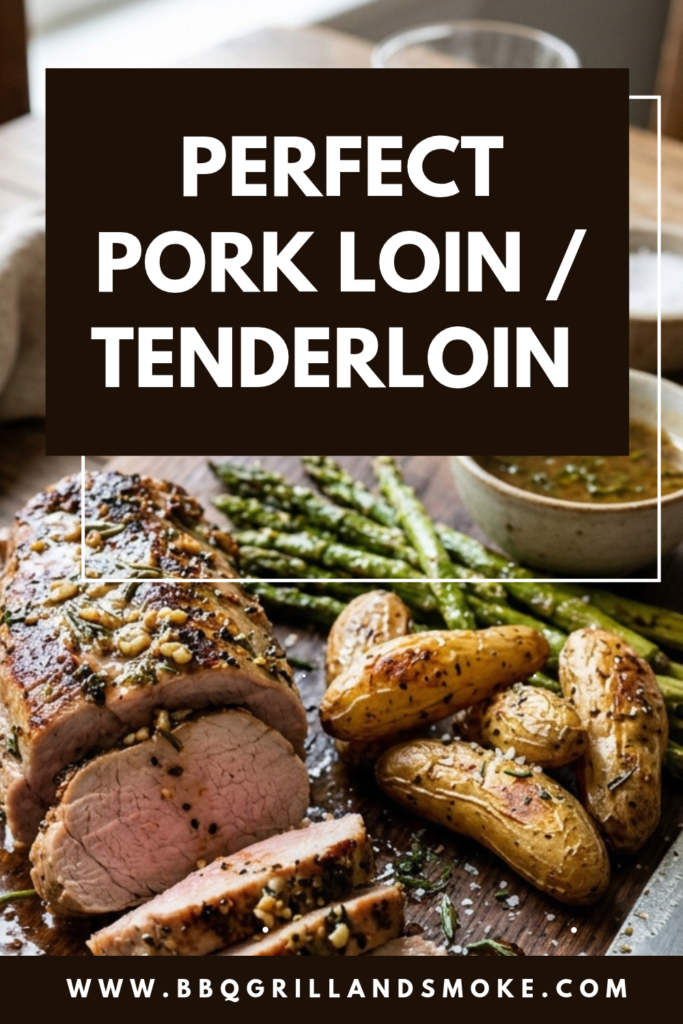
One important detail to understand before getting started is the difference between pork loin and pork tenderloin. Although their names sound similar, they are different cuts of meat, and they do not always require the same cooking time. Pork tenderloin is long, narrow, and relatively lean, while pork loin is wider, thicker, and usually sold as a roast. Both can be delicious when cooked properly, but choosing the correct cooking method for your cut makes a significant difference.
For this recipe, I use a simple mixture of olive oil, fresh garlic, dried herbs, and spices. The seasoning creates a savory crust as the pork roasts, while resting the meat before slicing helps preserve its juices. You can serve the finished roast with roasted potatoes, steamed vegetables, rice, a fresh salad, or your favorite barbecue-inspired sides.
Another reason I enjoy this recipe is its flexibility. You can adjust the herbs, add a little sweetness with honey, or introduce a smoky flavor with extra paprika. Once you understand the basic method, you can make the recipe your own while still achieving a delicious result.
Perfect Pork Loin or Tenderloin: What You Need to Know
Before gathering the ingredients, it helps to identify the cut of pork you have purchased. This recipe uses the same basic garlic herb seasoning for both cuts, but the roasting time will depend on the size, thickness, and shape of your meat.
Pork Tenderloin
Pork tenderloin is a small, narrow muscle that cooks relatively quickly. It is naturally tender and works especially well with high-heat roasting. A typical tenderloin weighs approximately 1 to 1.5 pounds, although sizes vary. For six servings, you may need two tenderloins, depending on their combined weight and the size of your portions.
Because tenderloin is lean, I recommend checking its internal temperature early rather than relying entirely on a timer. Overcooking can make this cut dry, so a reliable meat thermometer is particularly useful.
Pork Loin Roast
Pork loin is a larger, thicker cut that may be sold boneless or bone-in. It is suitable for roasting and produces attractive slices for a family meal. A boneless pork loin roast weighing approximately 2.5 to 3 pounds is a practical choice for six people, especially when served with side dishes.
Since pork loin is thicker than tenderloin, it generally needs more time in the oven. The exact cooking time depends on the roast’s weight, thickness, starting temperature, and your oven. Use the recipe’s temperature guidance and check the center of the meat with a thermometer.
Recipe: Garlic Herb Pork Loin or Tenderloin
Servings: 6
Preparation Time: 15 minutes
Cook Time: Approximately 20–35 minutes for pork tenderloin or 50–75 minutes for a 2.5–3-pound boneless pork loin roast
Resting Time: 5–10 minutes for tenderloin or 10–15 minutes for pork loin
Total Time: Approximately 40–60 minutes for tenderloin or 75–105 minutes for pork loin, including resting
Cooking Temperature: 400°F (200°C)
Cooking Method: Oven roasting
Difficulty: Easy
Important: These cooking times are estimates, not guarantees. The safest and most reliable way to determine doneness is to measure the internal temperature with a food thermometer. Whole cuts of pork should reach at least 145°F (63°C), followed by a rest of at least 3 minutes. You can rest the meat longer as described in the recipe for easier slicing and better juice retention.
Ingredients
I keep the ingredients simple because good pork does not need an elaborate list of seasonings. Garlic, herbs, olive oil, and a few pantry spices provide plenty of flavor. The quantities below are intended for approximately six servings, using either two pork tenderloins with a combined weight of around 2.5–3 pounds or one boneless pork loin roast of similar weight.
- 2 pork tenderloins, approximately 2.5–3 pounds combined, or 1 boneless pork loin roast weighing 2.5–3 pounds
- 3 tablespoons olive oil
- 4 garlic cloves, finely minced
- 1 teaspoon dried rosemary
- 1 teaspoon dried thyme
- 1 teaspoon paprika
- 1 teaspoon onion powder
- 1 teaspoon salt, or to taste
- 1/2 teaspoon freshly ground black pepper
- 1 tablespoon Dijon mustard, optional
- 1 teaspoon lemon zest, optional
- 1 tablespoon chopped fresh parsley, optional, for serving
- 1/2 cup low-sodium chicken broth or water, optional for the roasting pan
Ingredient Notes
Pork: Choose fresh pork with a pinkish-red color and a clean smell. If you use tenderloin, remove any visible silver skin before seasoning. If you use pork loin, trim away thick areas of excess fat if necessary, but leave a thin layer when possible to help protect the surface during roasting.
Olive oil: Olive oil helps the herbs and spices adhere to the meat and encourages browning. You can use another neutral cooking oil if that is what you have available.
Garlic: Freshly minced garlic adds a more noticeable savory flavor than garlic powder alone. If you prefer a milder taste, use three cloves instead of four.
Rosemary and thyme: These herbs pair particularly well with pork. Dried herbs are convenient, but you can substitute fresh herbs if available. Fresh herbs often have a milder flavor by volume, so adjust the quantities according to taste.
Paprika: Regular paprika adds color and gentle sweetness. Smoked paprika is a good alternative when you want a deeper, smoky flavor.
Dijon mustard: Mustard is optional, but it adds a subtle tang and helps the seasoning adhere to the surface of the meat.
Chicken broth: A small amount of broth in the pan can help prevent drippings from scorching. It is not essential, and you should avoid adding so much liquid that the pork steams instead of roasting.
Instructions
Step 1: Preheat the Oven
Preheat your oven to 400°F (200°C). Allow it to reach the correct temperature before placing the pork inside. Starting with a properly heated oven helps the meat cook consistently and encourages the outside to develop a lightly browned surface.
Prepare a rimmed baking sheet or a shallow oven-safe roasting dish. For easier cleanup, you can line the baking sheet with foil. If you are using a roasting dish, lightly grease it with a little olive oil to help prevent sticking.
If you have a meat thermometer, keep it nearby. It will help you determine when the pork has reached a safe internal temperature without relying on guesswork.
Step 2: Prepare the Pork
Remove the pork from its packaging and pat it dry with paper towels. This small step is worth the effort because excess moisture can interfere with browning. A dry surface also makes it easier for the olive oil and seasonings to coat the meat evenly.
If you are preparing pork tenderloin, check for a thin, shiny membrane called silver skin. Carefully slide a sharp knife underneath it and trim it away without removing too much meat. Silver skin does not soften as readily during cooking, so removing it helps improve the final texture.
If you are using pork loin, inspect the surface and trim any thick, unwanted pieces of fat. Avoid removing every bit of fat, as a thin layer can help protect the roast and contribute flavor.
For a particularly thick pork loin roast, you can let it sit at room temperature for approximately 15–20 minutes while you prepare the seasoning. Do not leave raw pork out for an extended period.
Step 3: Mix the Garlic Herb Seasoning
In a small bowl, combine the olive oil, minced garlic, dried rosemary, dried thyme, paprika, onion powder, salt, and black pepper. If you enjoy a slight tang, stir in the Dijon mustard and lemon zest as well.
Mix everything until it forms a loose, fragrant paste. The olive oil carries the seasonings across the meat’s surface, while the garlic and herbs create a savory aroma that becomes more pronounced as the pork cooks.
Taste a tiny amount of the mixture before applying it, if desired, and adjust the salt or herbs to suit your preference. Remember that the seasoning will be spread over several pounds of meat, so it should taste well seasoned without being overwhelmingly salty.
Step 4: Coat the Pork Evenly
Place the prepared pork in a clean dish or on your cutting board. Spoon the seasoning mixture over the meat and rub it across every side. Use your hands or a pastry brush to spread the mixture into an even layer.
Pay attention to the ends and any uneven areas. A consistent coating helps the flavor distribute throughout the roast instead of concentrating in a few spots.
If you have extra time, let the seasoned pork rest in the refrigerator for 30 minutes to a few hours before cooking. This is optional, and you can roast the pork immediately after seasoning if you are short on time. If you refrigerate it, keep it covered and bring it out only when you are ready to cook.
Step 5: Arrange the Pork in the Roasting Pan
Place the pork in the prepared roasting dish. If you are cooking tenderloins, arrange them with a little space between them so that hot air can circulate. If you are roasting a pork loin, position it with the fattiest side facing upward when an obvious fat cap is present.
If desired, pour up to 1/2 cup of low-sodium chicken broth or water into the bottom of the pan. Keep the liquid beneath the meat rather than pouring it directly over the seasoned surface. This can help moderate the temperature of the drippings and make it easier to prepare a simple pan sauce later.
Avoid crowding the roasting dish with vegetables unless you have enough room for everything to cook properly. If you want to serve roasted carrots or potatoes, use a large pan or prepare the vegetables separately.
Step 6: Roast the Pork
Place the pan in the preheated oven. Roast the pork at 400°F (200°C), checking the internal temperature as it cooks.
For pork tenderloin: Begin checking the temperature after approximately 20 minutes. Depending on the thickness and your oven, the tenderloins may take around 20–35 minutes. Smaller pieces can cook faster, so check early to prevent them from becoming dry.
For a boneless pork loin roast: Begin checking the temperature after approximately 45–50 minutes. A roast weighing 2.5–3 pounds may take around 50–75 minutes, although a thicker roast may need additional time. The thermometer reading matters more than the clock.
Insert the thermometer into the thickest part of the meat without touching bone or resting the probe against the roasting pan. For tenderloin, check the thickest section of each piece if you are cooking two tenderloins of different sizes.
Remove the pork from the oven once it reaches an internal temperature of at least 145°F (63°C). If different parts of the roast vary in temperature, make sure all portions you intend to serve have reached the recommended temperature.
Do not worry if the center of properly cooked pork has a slight blush of pink. Color alone is not a reliable indicator of doneness. Temperature is the better guide to safe cooking.
Step 7: Rest the Meat Before Slicing
Transfer the cooked pork to a clean cutting board or warm serving platter. Loosely cover it with foil and allow it to rest. Tenderloin generally benefits from a 5–10 minute rest, while a larger pork loin roast can rest for approximately 10–15 minutes.
Resting gives the meat time to settle after cooking and helps reduce the amount of juice lost when you cut into it. It also makes the pork easier to slice neatly for serving.
Do not wrap the meat too tightly in foil, as trapped steam can soften the browned exterior. A loose covering is enough to help retain warmth while the pork rests.
Step 8: Slice and Serve
Use a sharp carving knife to slice the pork across the grain. For tenderloin, cut into medallions approximately 1/2 to 3/4 inch thick. For pork loin, make slices about 1/4 to 1/2 inch thick, adjusting the thickness to your preference.
Arrange the slices on a serving platter and spoon a little of the resting juices over them if desired. Finish with chopped fresh parsley for a touch of color and freshness.
Serve the pork while warm with your favorite side dishes. Roasted potatoes, green beans, steamed broccoli, rice, glazed carrots, and fresh salads all complement the savory garlic herb seasoning.
Step 9: Make a Quick Pan Sauce (Optional)
If you would like a simple sauce, pour the roasting pan drippings into a small saucepan. If the pan contains browned bits, add a splash of broth and gently scrape them up to capture their flavor.
Bring the mixture to a gentle simmer. If you want a thicker sauce, mix one teaspoon of cornstarch with one tablespoon of cold water, then gradually whisk the mixture into the simmering liquid. Cook briefly until the sauce reaches your preferred consistency.
Taste and adjust the seasoning as needed. Add a small squeeze of lemon juice if you want a brighter finish. Spoon the sauce lightly over the sliced pork rather than covering the entire roast, allowing the browned exterior to remain noticeable.
Tips for Making the Best Pork Loin or Tenderloin
A few practical techniques can make the difference between a roast that is merely acceptable and one that becomes a regular favorite. These are the details I pay attention to whenever I prepare pork in the oven.
1. Choose the Right Cut for Your Meal
If you want a quick dinner, pork tenderloin is an excellent choice because it cooks relatively quickly. If you prefer larger slices for a traditional family roast, pork loin is a better fit. Both cuts work with the same seasoning, but their different shapes mean you should monitor them separately if cooking them together.
2. Use a Meat Thermometer
One of the most useful ways to avoid dry pork is to use an instant-read thermometer. Cooking times can vary with the size of the roast, the accuracy of your oven, and whether the meat started cold. A thermometer provides a more reliable indication of doneness than cutting into the meat to inspect its color.
For whole cuts of pork, aim for at least 145°F (63°C), followed by a rest of at least three minutes. The longer resting periods recommended in this recipe are useful for handling and slicing.
3. Dry the Surface Before Seasoning
Moisture on the outside of the pork can prevent good browning. Patting the meat dry before applying the oil and herbs encourages the surface to roast instead of simply releasing steam.
4. Do Not Overcook Lean Pork
Pork tenderloin contains relatively little fat, which means it can dry out when cooked beyond the desired temperature. Begin checking early and remove it from the oven as soon as it reaches the recommended temperature. The same attention to temperature also helps pork loin retain a pleasant texture.
5. Let the Seasoning Complement the Meat
Garlic, rosemary, thyme, and paprika create a balanced savory flavor. You do not need to use every possible spice. If you enjoy a simpler taste, leave out the onion powder or mustard. If you prefer more intensity, add a little extra black pepper or smoked paprika.
6. Slice Against the Grain
Look for the direction in which the muscle fibers run and cut across them rather than parallel to them. This shortens the fibers in each slice, helping the pork feel more tender when you eat it.
7. Avoid Constantly Opening the Oven
Opening the oven repeatedly allows heat to escape and can extend the cooking time. Check the meat when the estimated cooking window begins, then use the thermometer to guide the remaining cooking time.
8. Save the Resting Juices
The juices that collect on the cutting board or in the roasting pan can add extra flavor to the finished dish. Carefully pour them over the sliced pork or incorporate them into a simple pan sauce.
Delicious Variations to Try
Once you have mastered the basic garlic herb recipe, it is easy to change the flavor profile to suit your meal. Keep the cooking method the same, but adjust the seasonings to create something different.
Honey Garlic Pork
For a slightly sweet and savory version, combine one tablespoon of honey with the garlic, olive oil, and herbs. Honey encourages browning, so keep an eye on the surface as the pork roasts. If the glaze begins to darken too quickly, lower the oven temperature slightly and continue checking the internal temperature.
This variation pairs well with roasted carrots, rice, sautéed cabbage, or green beans. You can also serve it with a light mustard sauce to balance the sweetness.
Lemon Herb Pork
If you enjoy fresh, bright flavors, add one teaspoon of lemon zest to the seasoning and finish the cooked pork with a small squeeze of lemon juice. Rosemary and thyme work especially well with citrus because their earthy notes balance the acidity.
This version is a good choice for spring and summer dinners, especially when served with steamed vegetables, roasted asparagus, or a crisp green salad.
Smoky Paprika Pork
Replace the regular paprika with smoked paprika and add a small pinch of cayenne pepper if you enjoy mild heat. The resulting flavor has a subtle smoky character that works well with grilled vegetables, corn, roasted potatoes, or barbecue-style sides.
You can also serve this version with a small amount of barbecue sauce on the side. I prefer adding the sauce after cooking so the herb crust remains visible and the sweetness does not overwhelm the pork.
Mustard Herb Pork
For a deeper savory flavor, combine one tablespoon of Dijon mustard with the olive oil, garlic, rosemary, and thyme. Spread the mixture evenly over the pork before roasting.
The mustard adds a gentle tang without making the finished meat taste strongly of mustard. This variation is especially good with mashed potatoes, roasted onions, or a simple pan sauce made from the drippings.
Italian-Inspired Pork
Replace the rosemary and thyme with a teaspoon of Italian seasoning. Add a little extra garlic and finish the roast with chopped parsley. If you like, serve the sliced pork with roasted tomatoes, zucchini, or a simple tomato-based sauce.
This version is an easy way to change the recipe without buying a large number of additional ingredients.
Spicy Garlic Pork
If you enjoy a little heat, add 1/4 teaspoon of cayenne pepper or a pinch of crushed red pepper flakes to the seasoning mixture. Start with a small amount and increase it according to your preference.
The spice complements the natural sweetness of the pork and works well with cooling sides such as cucumber salad, plain rice, or a creamy potato dish.
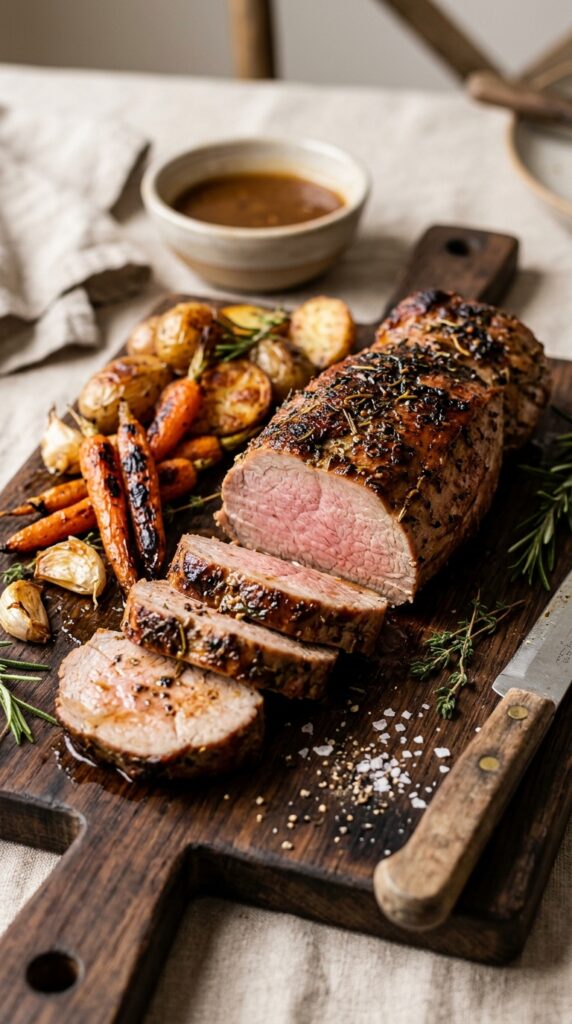
What to Serve with Perfect Pork Loin or Tenderloin
A flavorful roast becomes an even more satisfying meal when paired with side dishes that balance its savory herbs and browned exterior. Since the pork is the main attraction, I like choosing sides that bring different textures, colors, and flavors to the plate.
Roasted Potatoes
Roasted potatoes are a classic pairing. Cut potatoes into evenly sized pieces, toss them with olive oil, salt, pepper, and rosemary, and roast until crisp on the outside and tender inside. You can cook them in a separate pan while the pork is in the oven, adjusting the timing to suit their size.
Steamed Green Beans
Green beans provide a fresh, lightly crisp contrast to tender pork. Steam them until just tender, then toss with a little olive oil, black pepper, and lemon juice. Their freshness helps balance the richness of the roast.
Garlic Mashed Potatoes
Creamy mashed potatoes are ideal when you want a comforting family dinner. Mash boiled potatoes with warm milk, a little butter, and roasted or sautéed garlic. Add a spoonful of pan sauce when serving to tie the flavors together.
Roasted Carrots
Carrots become naturally sweet as they roast, making them a good match for garlic herb pork. Cut them into similar-sized pieces, season with olive oil, salt, and pepper, and roast until tender. A small drizzle of honey can add extra sweetness if desired.
Fresh Garden Salad
A fresh salad lightens the meal and adds a crisp texture. Combine lettuce, cucumber, tomatoes, and thinly sliced red onion, then dress lightly with olive oil and lemon juice. A simple vinaigrette is often enough because the pork already has plenty of seasoning.
Rice or Couscous
Plain rice or lightly seasoned couscous makes a practical accompaniment, especially when serving a crowd. Both absorb the flavorful juices from the roast and work well with the optional pan sauce.
Roasted Broccoli
Broccoli develops a delicious browned flavor when roasted with olive oil, salt, and black pepper. Add a little garlic during the final few minutes of cooking, or finish with lemon zest for extra freshness.
Common Mistakes to Avoid
Confusing Pork Loin with Pork Tenderloin
These cuts are not interchangeable in terms of cooking time. Tenderloin is narrower and cooks more quickly, while pork loin is thicker and requires more time. Always identify the cut before calculating the approximate roasting time.
Using Time Instead of Temperature
Recipes provide estimated cooking times because every oven and roast is different. A small tenderloin may finish before the suggested time, while a thick loin may need longer. Check the internal temperature instead of relying only on the clock.
Skipping the Resting Period
Slicing immediately after cooking can cause more juices to run out onto the cutting board. A short rest makes handling easier and helps preserve moisture in the finished slices.
Adding Too Much Liquid
Although a little broth can be helpful, excessive liquid can prevent the surface from browning properly. Add only a small amount to the bottom of the pan if you want to collect flavorful drippings for a sauce.
Cutting the Meat Too Thick or Too Thin
Extremely thick slices can be difficult to eat comfortably, while very thin slices can cool quickly and appear dry. For tenderloin, medallions about 1/2 to 3/4 inch thick are a good starting point. For pork loin, slices around 1/4 to 1/2 inch thick usually work well.
Frequently Asked Questions (FAQs)
1. What Is the Difference Between Pork Loin and Pork Tenderloin?
Pork loin is a larger, thicker cut that is commonly sold as a roast, while pork tenderloin is a smaller, narrow muscle that cooks relatively quickly. Both can be tender and flavorful, but they have different shapes and cooking times. You should always adjust the roasting time to the cut you are using.
2. What Temperature Should Pork Loin or Tenderloin Reach?
For whole cuts of pork, the recommended minimum internal temperature is 145°F (63°C), followed by a rest of at least three minutes. Measure the temperature in the thickest part of the meat using a food thermometer. This is more reliable than judging doneness by color alone.
3. How Long Does It Take to Cook Pork Tenderloin at 400°F?
Pork tenderloin often takes approximately 20–35 minutes at 400°F (200°C), depending on its thickness, weight, and your oven. Begin checking the internal temperature after about 20 minutes. Remove it when it reaches at least 145°F (63°C) and allow it to rest before slicing.
4. How Long Does It Take to Cook a 3-Pound Pork Loin?
A 3-pound boneless pork loin roast may take approximately 50–75 minutes at 400°F (200°C), but the actual time can vary. Start checking the temperature after about 45–50 minutes. Continue cooking as needed until the thickest part reaches the recommended internal temperature.
5. Should I Cover Pork Loin While Roasting?
For this recipe, I generally roast the pork uncovered so the outside can brown. Covering it is not usually necessary when cooking at the recommended temperature and monitoring doneness. If the surface becomes too dark before the center is ready, loosely cover the roast with foil for the remainder of the cooking time.
6. Should I Sear the Pork Before Putting It in the Oven?
Searing is optional. You can brown the pork in a hot skillet with a little oil before transferring it to the oven if you want a deeper browned crust. However, this recipe is designed to be simple, so you can roast the seasoned pork directly in the oven and still achieve good results.
7. Why Is My Pork Tenderloin Dry?
The most common reason is overcooking. Pork tenderloin is lean, so it can lose moisture when its internal temperature rises too high. Use a thermometer, begin checking early, and let the meat rest before slicing. Cutting across the grain also helps improve the eating experience.
8. Can I Prepare the Pork Ahead of Time?
Yes. You can trim the pork and prepare the seasoning in advance. Coat the meat, cover it, and refrigerate it until you are ready to cook. For the best quality, keep it refrigerated and use it within a reasonable period based on the freshness of the meat. Do not leave raw pork at room temperature for an extended time.
9. Can I Use Fresh Herbs Instead of Dried Herbs?
Yes. Fresh rosemary and thyme are excellent alternatives. Since fresh herbs have different moisture levels and flavor intensity, adjust the quantity to taste. Finely chop the leaves so they distribute evenly through the olive oil and garlic mixture.
10. Can I Make This Recipe Without Olive Oil?
Yes. You can substitute another suitable cooking oil, such as avocado oil or a neutral vegetable oil. The purpose of the oil is to help the seasoning coat the meat and encourage browning. Choose an oil suitable for the cooking temperature.
11. How Do I Keep Pork Warm Without Drying It Out?
After cooking, let the pork rest loosely covered with foil. If you need to hold it briefly before serving, keep it in a warm environment without continuing to cook it aggressively. Avoid leaving cooked pork at room temperature for more than two hours, or more than one hour when the surrounding temperature exceeds 90°F (32°C).
12. Can I Cook Vegetables in the Same Pan?
Yes, provided your roasting pan is large enough to allow the ingredients to cook properly. Potatoes, carrots, and onions are suitable options. Cut the vegetables into evenly sized pieces and account for their cooking times. If the pan becomes overcrowded, use a separate baking sheet to encourage better browning.
13. How Should I Store Leftover Pork?
Allow the leftovers to cool slightly, then place them in a clean, airtight container and refrigerate them within two hours of cooking. Refrigerated cooked pork should generally be used within three to four days. For longer storage, freeze it in suitable airtight packaging.
14. How Do I Reheat Leftover Pork Without Drying It Out?
Place the sliced pork in an oven-safe dish with a small splash of broth or water. Cover the dish and reheat gently in a 300°F (150°C) oven until the pork reaches 165°F (74°C). The exact time depends on the thickness and quantity of the slices. Adding a little liquid and covering the dish helps reduce moisture loss.
15. Can I Freeze Cooked Pork Loin or Tenderloin?
Yes. Let the pork cool, divide it into convenient portions, and place the portions in freezer-safe containers or bags. Remove excess air to help protect the quality. For the best texture and flavor, use frozen cooked pork within approximately two to three months, although properly frozen food remains safe longer when continuously stored at 0°F (-18°C).
16. Can I Use This Seasoning on Other Cuts of Pork?
Yes. The garlic herb mixture also works well with pork chops and other suitable pork roasts. However, the cooking method and timing will need to change depending on the cut’s thickness and whether it contains bone. Always use a thermometer to determine when the pork has reached the recommended internal temperature.
How to Store and Reheat Leftovers
If you have leftover pork, you can turn it into another delicious meal instead of serving it the same way twice. Proper storage is important for both food safety and flavor.
Refrigerating Leftovers
Transfer the cooked pork to a shallow, airtight container and refrigerate it within two hours of cooking. If the pork is still in a large roast, slicing it into smaller portions can help it cool more quickly. Keep it refrigerated at 40°F (4°C) or below and use it within three to four days.
Freezing Leftovers
For longer storage, freeze the pork in meal-sized portions. Add a little pan sauce or broth if you want to help protect the slices from drying out during reheating. Label the container with the date and use the frozen pork within two to three months for the best quality.
Reheating in the Oven
Arrange the pork in an oven-safe dish, add a small amount of broth or water, and cover loosely. Heat in a 300°F (150°C) oven until the center reaches 165°F (74°C). Gentle reheating helps the meat remain pleasant rather than becoming tough and dry.
Using Leftover Pork in Other Meals
Thinly sliced leftover pork can be added to sandwiches, wraps, rice bowls, salads, and stir-fries. You can also combine chopped pork with sautéed vegetables and cooked rice for a quick lunch. Add the pork toward the end of cooking when preparing a stir-fry, allowing enough time for it to heat thoroughly without prolonged cooking.
Conclusion
Making perfect pork loin or tenderloin at home does not have to be complicated. With a simple combination of garlic, rosemary, thyme, paprika, olive oil, and a few pantry seasonings, you can prepare a flavorful roast that is suitable for both everyday meals and special occasions.
The most important part of this recipe is understanding the cut of pork you are cooking. Tenderloin cooks more quickly than pork loin, so the timing should always reflect the size and thickness of the meat. Use a reliable thermometer, remove the pork when it reaches at least 145°F (63°C), and allow it to rest before slicing.
I also recommend experimenting with the seasoning once you are comfortable with the basic method. Try honey garlic for a hint of sweetness, lemon and herbs for a fresh finish, or smoked paprika for a deeper flavor. These small changes can make the same recipe feel new each time you prepare it.
Serve your roast with roasted potatoes, steamed vegetables, rice, or a fresh salad, and use the pan drippings to make a simple sauce if you like. With thoughtful preparation and careful cooking, this easy pork recipe can become a dependable favorite in your kitchen.
Give this recipe a try the next time you want a satisfying homemade dinner. I hope it helps you prepare delicious, tender pork that your family and guests will enjoy. Once you have made it, experiment with your favorite herbs and sides to create a version that suits your taste perfectly.
Perfect Pork Loin / Tenderloin Recipe
If you are looking for a reliable way to prepare perfect pork loin or tenderloin, this easy garlic herb recipe is an excellent place to start. I love how a few everyday ingredients can transform a simple cut of pork into a flavorful, tender main dish with a beautifully browned exterior.
Ingredients
- 2 pork tenderloins, approximately 2.5–3 pounds combined, or 1 boneless pork loin roast weighing 2.5–3 pounds
- 3 tablespoons olive oil
- 4 garlic cloves, finely minced
- 1 teaspoon dried rosemary
- 1 teaspoon dried thyme
- 1 teaspoon paprika
- 1 teaspoon onion powder
- 1 teaspoon salt, or to taste
- 1/2 teaspoon freshly ground black pepper
- 1 tablespoon Dijon mustard, optional
- 1 teaspoon lemon zest, optional
- 1 tablespoon chopped fresh parsley, optional, for serving
- 1/2 cup low-sodium chicken broth or water, optional for the roasting pan
Instructions
- Preheat the Oven: Preheat your oven to 400°F (200°C). Lightly grease a roasting pan or line a rimmed baking sheet with foil for easy cleanup.
- Prepare the Pork: Pat the pork dry with paper towels. If using pork tenderloin, remove the silver skin with a sharp knife. For pork loin, trim away any excess fat while leaving a thin layer for flavor.
- Make the Seasoning: In a small bowl, combine olive oil, minced garlic, dried rosemary, dried thyme, paprika, onion powder, salt, and black pepper. Add Dijon mustard and lemon zest if desired. Mix until well combined.
- Season the Pork: Rub the garlic herb mixture evenly over all sides of the pork, making sure the ends are well coated. For deeper flavor, refrigerate the seasoned pork for 30 minutes before roasting, or cook immediately.
- Arrange in the Pan: Place the pork in the prepared roasting pan. Keep tenderloins slightly apart to allow even cooking. For pork loin, position the fat side facing upward. Add up to ½ cup of chicken broth or water to the bottom of the pan if desired.
- Roast the Pork: Roast at 400°F (200°C). Pork tenderloin typically takes 20–35 minutes, while a 2.5–3-pound boneless pork loin takes approximately 50–75 minutes. Cooking time varies depending on thickness and oven temperature. Use a meat thermometer and remove the pork when it reaches an internal temperature of 145°F (63°C).
- Rest the Meat: Transfer the cooked pork to a cutting board and loosely cover with foil. Rest tenderloin for 5–10 minutes or pork loin for 10–15 minutes before slicing. This helps retain its natural juices.
- Slice and Serve: Slice the pork across the grain. Cut tenderloin into ½–¾-inch medallions or pork loin into ¼–½-inch slices. Spoon any resting juices over the meat and garnish with fresh parsley if desired.
- Make the Optional Pan Sauce: Pour the pan drippings into a small saucepan. Add a splash of chicken broth and simmer gently. For a thicker sauce, whisk together 1 teaspoon cornstarch and 1 tablespoon cold water, then stir into the simmering liquid until thickened. Adjust the seasoning and add a squeeze of lemon juice if desired. Serve warm over the sliced pork.