
If you want a simple dinner that feels special without hours in the kitchen, I recommend this perfect pork tenderloin recipe. Pork tenderloin is naturally tender, cooks relatively quickly, and takes on the flavors of garlic, herbs, and spices beautifully. With a few everyday ingredients and the right cooking technique, you can prepare a delicious meal with a golden-brown exterior and juicy, flavorful meat inside.
I especially enjoy this recipe because it proves that an impressive dinner does not need to be complicated. You do not need an elaborate marinade, a long list of ingredients, or advanced cooking skills. A little olive oil, fresh garlic, dried herbs, paprika, salt, and black pepper provide everything needed to create a balanced, savory flavor that complements the pork without overpowering it.
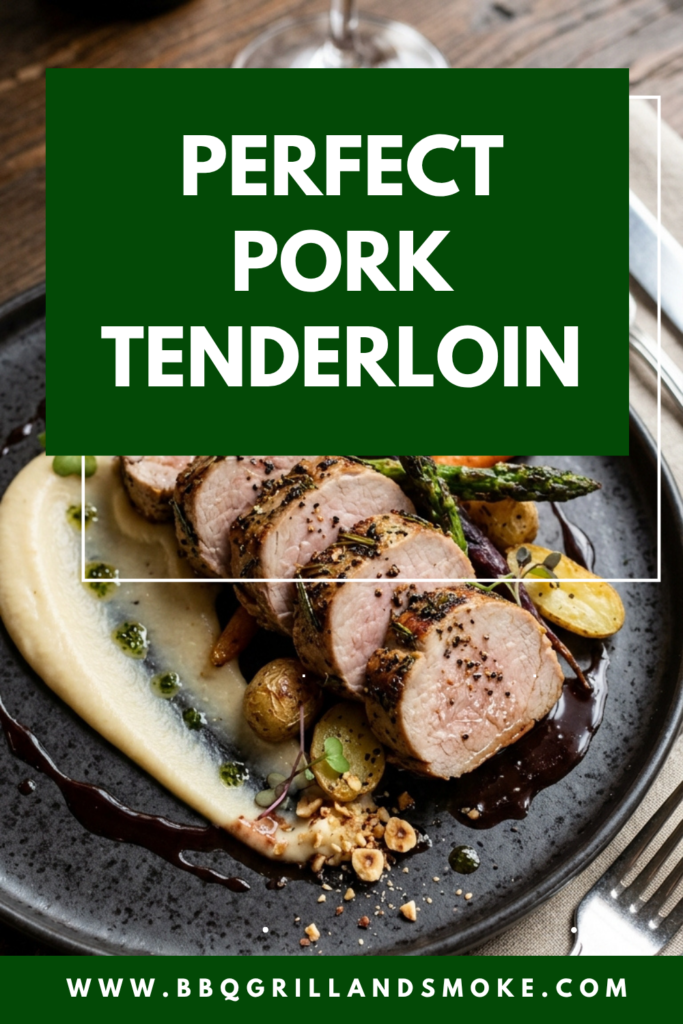
Another reason I love making pork tenderloin is its versatility. It works equally well for a relaxed family dinner, a weekend gathering, or a holiday meal when you want something delicious that does not keep you away from your guests. You can serve it with roasted potatoes, steamed vegetables, rice, a fresh salad, or your favorite barbecue-inspired sides.
The secret to making consistently excellent pork tenderloin is understanding how lean this cut of meat is. Unlike fattier pork cuts that benefit from long cooking times, tenderloin can become dry when left in the oven too long. I focus on seasoning it generously, browning it for extra flavor, checking the internal temperature, and allowing it to rest before slicing.
In this guide, I will walk you through each step, from preparing the meat to serving it at the table. I will also share practical tips, easy variations, common mistakes to avoid, and answers to frequently asked questions so you can make this recipe with confidence.
What Makes Pork Tenderloin Special?
Pork tenderloin is a long, narrow cut taken from the muscle that runs along the backbone of the pig. Because this muscle does relatively little work, the meat is naturally tender. It is also lean, which makes it an excellent choice for cooks who want a satisfying protein without the richness of a heavily marbled cut.
Its mild flavor is another advantage. Pork tenderloin pairs well with savory herbs, garlic, mustard, citrus, honey, apples, and smoky spices. That flexibility makes it easy to adapt the basic recipe to different occasions and personal tastes.
For this version, I use garlic, rosemary, thyme, and paprika. The garlic provides a savory foundation, rosemary and thyme add an aromatic herbal note, and paprika contributes color and a gentle warmth. Olive oil helps distribute the seasoning and encourages a flavorful exterior during cooking.
Why You Will Love This Recipe
- Simple ingredients: Most of the seasonings are pantry staples that are easy to find.
- Quick preparation: You can prepare the pork and season it in just a few minutes.
- Tender results: Careful temperature monitoring helps prevent the meat from drying out.
- Versatile flavor: The herb and garlic seasoning works with many side dishes.
- Suitable for guests: Sliced pork tenderloin looks attractive on a serving platter.
- Easy to customize: You can add mustard, lemon, barbecue seasoning, or a touch of honey.
Ingredients for Perfect Pork Tenderloin
One of the best things about this perfect pork tenderloin recipe is that it uses a short list of familiar ingredients. Each one contributes to the final flavor, so I recommend measuring the seasonings before you begin and distributing them evenly over the meat.
This recipe serves six people. Pork tenderloins vary in size, so choose approximately 2 to 2.5 pounds of pork tenderloin in total. Depending on what is available at your grocery store, that may mean two smaller tenderloins rather than one large piece.
Recipe Details
Ingredients
- 2 to 2.5 pounds pork tenderloin, usually 2 tenderloins
- 2 tablespoons olive oil
- 3 garlic cloves, finely minced
- 1 teaspoon dried rosemary
- 1 teaspoon dried thyme
- 1 teaspoon paprika
- 3/4 teaspoon salt, or to taste
- 1/2 teaspoon freshly ground black pepper
- 1 tablespoon Dijon mustard, optional
- 1 teaspoon lemon zest, optional
- 1 tablespoon chopped fresh parsley, for garnish
Choosing the Best Pork Tenderloin
When shopping, look for pork tenderloin with a fresh appearance and a consistent pinkish color. The meat should feel firm rather than sticky, and the package should be properly sealed and refrigerated. Avoid confusing pork tenderloin with pork loin, as the two cuts have different shapes, sizes, and cooking requirements.
Pork tenderloin is generally long and narrow, while pork loin is much wider and thicker. Although both can be roasted successfully, a pork loin will usually need a different cooking time. For the most reliable results, choose tenderloin for this recipe.
Why Each Ingredient Matters
Olive oil: The oil helps the seasonings adhere to the pork and promotes browning. You can substitute another neutral cooking oil if necessary.
Garlic: Fresh minced garlic provides a deep, savory aroma. If you enjoy a stronger garlic flavor, you can add one extra clove.
Rosemary and thyme: These herbs give the meat a warm, earthy flavor that works particularly well with roasted pork. Dried herbs are convenient, but you can substitute fresh herbs if you adjust the quantities.
Paprika: Paprika adds a mild peppery note and helps the surface develop an appealing color. Smoked paprika is an excellent option if you want a subtle smoky flavor.
Salt and black pepper: These essential seasonings bring the other flavors together. Season the entire surface rather than concentrating the seasoning in one place.
Dijon mustard: This optional ingredient adds tanginess and helps create a flavorful coating. Its sharpness becomes more subtle during roasting, so it will not overwhelm the herbs.
Lemon zest: A small amount of lemon zest brightens the savory seasoning. It is especially useful when serving the pork with rich potatoes or creamy side dishes.
Instructions for Perfect Pork Tenderloin
Making perfect pork tenderloin is straightforward when you prepare the meat properly and monitor its temperature. I recommend using an instant-read meat thermometer because the cooking time can vary depending on the thickness of the tenderloins, your oven, and whether you sear the meat before roasting.
Step 1: Preheat the Oven
Preheat your oven to 400°F (200°C). Allow the oven to reach the correct temperature before placing the pork inside. A properly heated oven helps the tenderloin cook evenly and develop a lightly browned exterior.
Prepare a rimmed baking sheet or a shallow oven-safe baking dish. If you prefer easier cleanup, line the baking sheet with foil. You can also lightly grease the dish with a little olive oil to prevent sticking.
If you plan to sear the tenderloins before roasting, choose an oven-safe skillet that can move directly from the stovetop into the oven. This approach reduces the number of dishes you need and allows you to build flavor in the same pan.
Step 2: Prepare the Pork
Remove the pork tenderloins from their packaging and pat them dry thoroughly with paper towels. Drying the surface is important because excess moisture can prevent proper browning.
Check the meat for any silvery connective tissue, commonly called silver skin. If you see a tough, shiny membrane along the surface, carefully slide a sharp knife underneath it and trim it away without removing too much meat.
Do not rinse raw pork in the sink. Rinsing can spread bacteria through splashes onto nearby surfaces. Instead, handle the meat carefully, wash your hands afterward, and clean any utensils or surfaces that come into contact with raw pork.
Step 3: Mix the Seasonings
In a small bowl, combine the olive oil, minced garlic, rosemary, thyme, paprika, salt, and black pepper. If you are using Dijon mustard and lemon zest, add them to the mixture as well.
Stir until the ingredients form a thick, fragrant seasoning paste. The olive oil helps distribute the garlic and herbs evenly, while the mustard creates a slightly tangy coating.
Taste a tiny amount of the mixture before it touches the raw meat, if desired, and adjust the seasoning. You can add a little more black pepper for warmth or a small pinch of paprika for additional color.
Step 4: Season the Tenderloins
Place the dried pork tenderloins on a clean plate or cutting board. Rub the seasoning mixture over every side, including the ends. Use your hands or a small spatula to spread the mixture into an even layer.
Make sure the garlic and herbs are distributed across the surface rather than gathering in thick clumps. An even coating gives each slice a balanced flavor and helps the exterior brown more consistently.
If you have extra time, let the seasoned pork rest in the refrigerator for 15 to 30 minutes before cooking. This is optional; the recipe will still taste delicious if you cook the pork immediately after seasoning it.
If you refrigerate the tenderloins, keep them covered and separate from ready-to-eat foods. Avoid leaving raw pork at room temperature for an extended period.
Step 5: Sear the Pork for Extra Flavor (Optional)
For a more deeply browned exterior, heat an oven-safe skillet over medium-high heat and add a small amount of cooking oil. When the oil is hot, carefully place the seasoned tenderloins in the skillet.
Sear the pork for approximately 2 to 3 minutes per side, turning it with tongs to brown as much of the surface as possible. The exact time will depend on the thickness of the meat and the heat of your skillet.
Searing creates a flavorful browned surface through the Maillard reaction. It does not seal the juices inside the meat, but it adds appealing color and savory flavor that make the finished dish even more satisfying.
Be careful not to burn the garlic. If the skillet becomes excessively hot, reduce the heat slightly. Transfer the skillet to the preheated oven if it is oven-safe, or move the seared pork to your prepared baking dish.
Step 6: Roast the Pork Tenderloin
Place the tenderloins in the prepared baking dish, leaving a little space between them so hot air can circulate. Put the dish on the center rack of the preheated oven.
Roast for approximately 20 to 30 minutes, checking the temperature as the meat approaches the lower end of the cooking range. Smaller tenderloins may finish sooner, while thicker pieces may require additional time.
If you seared the pork first, begin checking its temperature after about 15 minutes in the oven. The total cooking time will depend on the thickness of the meat and how much it cooked during searing.
Insert an instant-read thermometer into the thickest part of each tenderloin. For whole cuts of pork, the recommended minimum internal temperature is 145°F (63°C), followed by at least a three-minute rest. Check each piece individually because two tenderloins may cook at different rates.
Step 7: Rest the Meat Before Slicing
Once the tenderloins reach the recommended internal temperature, remove them from the oven and transfer them to a clean cutting board. Let the pork rest for 5 to 10 minutes before slicing.
Resting gives the meat time to settle after cooking and makes it easier to slice neatly. The internal temperature may continue to rise slightly during this period, depending on the size of the tenderloin and how it was cooked.
Do not cut into the pork immediately after removing it from the oven. Giving it a short rest helps preserve its texture and makes serving less messy.
Step 8: Slice and Serve
Using a sharp knife, slice the tenderloins crosswise into pieces approximately 1/2 to 3/4 inch thick. Cutting across the grain shortens the muscle fibers and helps each piece feel tender when you bite into it.
Arrange the slices on a serving platter and spoon any flavorful juices from the baking dish over the meat, provided they have been handled safely. Garnish with freshly chopped parsley and, if desired, a little lemon zest.
Serve immediately with your favorite side dishes. I particularly like pairing this pork with roasted potatoes and green vegetables because the savory herbs complement both beautifully.
Tips for Making the Best Pork Tenderloin
A few small details can make a noticeable difference between ordinary roasted pork and a tender, flavorful meal. These are the tips I rely on when preparing this recipe for family dinners or guests.
1. Avoid Overcooking
The most important tip is to avoid leaving pork tenderloin in the oven longer than necessary. Because it is a lean cut, it can lose moisture quickly when overcooked. Start checking the internal temperature early, especially if your tenderloins are smaller than average.
An instant-read thermometer is more dependable than estimating doneness by the clock. Cooking times are useful guidelines, but the temperature at the thickest part of the meat is the better indicator of when it is ready.
2. Pat the Pork Dry
Moisture on the surface makes browning more difficult. Patting the pork dry before seasoning helps the oil and spices adhere properly and allows the exterior to develop a more appealing color.
3. Do Not Skip the Resting Period
Resting the pork for several minutes after roasting gives you time to prepare the serving platter and finish any side dishes. It also makes the meat easier to slice without immediately releasing all the juices onto the cutting board.
4. Season Every Side
It is easy to season only the top of a tenderloin, but the sides and ends need attention too. Turn each piece as you apply the seasoning mixture so that every slice has a flavorful exterior.
5. Use Fresh Garlic When Possible
Freshly minced garlic provides a fuller aroma than many shelf-stable alternatives. If you use pre-minced garlic, keep an eye on it during searing because garlic can burn quickly in a hot skillet.
6. Choose Similar-Sized Tenderloins
If you are cooking two tenderloins at once, choose pieces with roughly similar thickness whenever possible. This makes it easier for them to finish cooking at approximately the same time. If one piece is smaller, remove it when it reaches the safe internal temperature rather than leaving it in the oven while the larger piece finishes.
7. Let the Oven Do the Work
Once the pork is in the oven, resist the temptation to open the door repeatedly. Each opening releases heat and can extend the cooking time. Check the temperature near the expected finishing point and continue monitoring as needed.
Perfect Pork Tenderloin Variations
One of my favorite things about this recipe is how easy it is to adapt. The garlic-and-herb version is a dependable starting point, but you can change the seasoning to match your menu, your preferences, or the ingredients you already have at home.
Garlic Butter Pork Tenderloin
For a richer finish, melt 2 tablespoons of butter and mix it with the minced garlic and herbs. Brush a small amount over the pork during the final few minutes of roasting, taking care not to burn the garlic. You can also finish the sliced pork with a little melted butter and chopped parsley.
This variation pairs particularly well with mashed potatoes, steamed green beans, or roasted carrots. Because butter contains milk solids that can brown quickly, avoid exposing it to excessive heat for too long.
Honey Mustard Pork Tenderloin
Combine 1 tablespoon of Dijon mustard with 1 tablespoon of honey, a little olive oil, and the garlic. Spread a thin coating over the pork before roasting. The mustard adds tanginess, while the honey provides a gentle sweetness.
Honey can darken faster than a seasoning mixture without sugar, so watch the surface carefully. This variation works beautifully with roasted sweet potatoes, apples, or a crisp green salad.
Smoky Paprika Pork Tenderloin
If you enjoy barbecue-inspired flavors, replace the regular paprika with smoked paprika. Add a small pinch of onion powder and ground cumin for a deeper savory flavor.
You can serve this version with corn, baked beans, roasted potatoes, or grilled vegetables. It is an easy way to give oven-roasted pork a subtle smoky character without using a smoker.
Lemon Herb Pork Tenderloin
For a lighter flavor, increase the lemon zest slightly and add a tablespoon of fresh lemon juice to the olive oil and herb mixture. Use rosemary, thyme, and parsley for a fresh, aromatic finish.
Avoid adding too much lemon juice directly to the seasoning paste, as excess liquid can make the coating run off the meat. Instead, reserve some lemon juice to squeeze over the sliced pork just before serving.
Spicy Pork Tenderloin
For a little heat, add 1/4 teaspoon of cayenne pepper or a pinch of red pepper flakes to the seasoning mixture. You can increase the amount gradually if you prefer a stronger kick.
The spicy version pairs nicely with cooling sides such as cucumber salad, coleslaw, or plain rice. A small drizzle of honey after cooking can also balance the heat.
Barbecue-Style Pork Tenderloin
Season the pork with paprika, garlic powder, onion powder, black pepper, and a little brown sugar. Roast until it is cooked safely, then brush on a thin layer of your favorite barbecue sauce during the final few minutes.
Adding the sauce near the end helps prevent its sugars from burning during the entire roasting period. Serve the sliced pork with grilled corn, potato salad, or baked beans for a barbecue-inspired dinner.
What to Serve with Perfect Pork Tenderloin
Pork tenderloin has a mild, savory flavor that works with a wide variety of side dishes. When I plan a meal around this recipe, I usually choose one starchy side, one vegetable, and an optional sauce or salad to keep the plate balanced.
Roasted Potatoes
Roasted potatoes are a classic choice because their crisp edges and fluffy centers complement the tender pork. Toss diced potatoes with olive oil, garlic, rosemary, salt, and black pepper, then roast until golden. If oven space is limited, prepare the potatoes in an air fryer or cook them ahead and reheat them before serving.
Mashed Potatoes
Creamy mashed potatoes create a comforting contrast with the browned exterior of the pork. You can prepare them with butter, milk, salt, and black pepper or add roasted garlic for more depth. A little pan sauce drizzled over both the potatoes and pork makes the plate feel especially satisfying.
Roasted Carrots
Carrots become naturally sweet as they roast, making them a wonderful match for the garlic and herbs. Toss them with olive oil, salt, and black pepper, then cook until tender and lightly caramelized. A touch of thyme ties the vegetables to the pork seasoning.
Green Beans
Steamed or sautéed green beans add freshness and color to the meal. Cook them until tender but still slightly crisp, then finish with a little olive oil, lemon zest, or minced garlic.
Rice Pilaf
Rice pilaf is an easy option when you want a simple side that absorbs the juices from the pork. Cook the rice with broth, finely chopped onion, and a small amount of butter or olive oil. Fresh parsley adds a bright finishing touch.
Fresh Salad
A crisp salad can balance the warm, savory flavors of roasted pork. Combine leafy greens, cucumber, tomatoes, and thinly sliced red onion, then dress lightly with olive oil and lemon juice or a simple vinaigrette.
Applesauce or Apple Chutney
Apples and pork are a classic combination. A spoonful of unsweetened applesauce adds gentle sweetness, while an apple chutney with onion and a little vinegar offers a more complex flavor. Serve the accompaniment on the side so everyone can choose how much they want.
Common Pork Tenderloin Mistakes to Avoid
Confusing Pork Tenderloin with Pork Loin
Although the names sound similar, these cuts are not interchangeable without adjusting the method. Pork loin is larger and thicker, so using the cooking time for tenderloin can lead to an undercooked center or an overcooked exterior, depending on the cut and method.
Using Cooking Time as the Only Test
Oven temperatures can vary, and the thickness of the meat affects how quickly it cooks. Always verify the internal temperature instead of assuming the pork is ready because a particular number of minutes has passed.
Slicing the Meat Too Soon
Cutting into the tenderloin immediately after roasting can make serving messier and allow more liquid to escape onto the cutting board. A short resting period helps you achieve cleaner slices.
Using Too Much Seasoning in One Spot
Concentrated patches of garlic or herbs can create uneven flavor. Mix the seasonings thoroughly and spread them evenly over the surface. This small step makes the finished dish more consistent.
Overcrowding the Baking Dish
When tenderloins are pressed tightly together, air circulation becomes less effective and the meat may brown unevenly. Leave a little space between the pieces and use a pan large enough to accommodate them comfortably.
Forgetting to Check Each Tenderloin
Two pieces of pork may differ in thickness even if they weigh approximately the same amount. Check each piece separately and remove any tenderloin that has reached the recommended temperature while the other continues cooking.
How to Store and Reheat Leftover Pork Tenderloin
If you have leftovers, allow the pork to cool slightly and refrigerate it promptly in a shallow, airtight container. For food safety, refrigerate cooked pork within two hours of cooking, or within one hour when the surrounding temperature is above 90°F (32°C).
Properly refrigerated cooked pork is generally best used within three to four days. If you do not expect to eat it within that period, freeze it in an airtight, freezer-safe container or bag. Label the package with the date so you can keep track of how long it has been stored.
Reheating in the Oven
Preheat the oven to 300°F (150°C). Arrange the sliced pork in an oven-safe dish and add a tablespoon or two of broth or water to help keep it moist. Cover the dish and heat until the pork reaches 165°F (74°C) throughout.
Use only enough liquid to create a little steam in the covered dish. Too much liquid can dilute the flavor, while reheating uncovered for too long can dry out the slices.
Reheating in a Skillet
For a quick meal, warm the slices in a skillet over medium-low heat with a small splash of broth or water. Cover the pan briefly to help the meat heat evenly. Stir or turn the slices gently and check that they reach 165°F (74°C).
Can You Freeze Pork Tenderloin?
Yes. You can freeze cooked pork tenderloin in individual portions, which makes it convenient for future meals. Allow it to cool, package it securely, and remove as much excess air as practical before freezing. For the best quality, use frozen cooked pork within two to three months, although continuously frozen food remains safe longer when stored properly.
Thaw frozen leftovers in the refrigerator rather than on the kitchen counter. Once thawed, reheat them thoroughly before serving.
Frequently Asked Questions (FAQs)
1. What Is the Best Temperature for Cooking Pork Tenderloin?
For whole cuts of pork, cook the tenderloin to a minimum internal temperature of 145°F (63°C), followed by a resting period of at least three minutes. Use an instant-read thermometer inserted into the thickest part of the meat to check the temperature accurately.
2. How Long Does Pork Tenderloin Take to Cook in the Oven?
At 400°F (200°C), pork tenderloin commonly takes about 20 to 30 minutes, depending on its thickness, starting temperature, and whether it was seared first. Treat this as a guideline rather than a guarantee, and begin checking the internal temperature before the expected finishing time.
3. Should I Cover Pork Tenderloin While Baking?
You generally do not need to cover pork tenderloin while roasting. Leaving it uncovered allows the outside to brown. If the surface becomes too dark before the center reaches the appropriate temperature, you can loosely cover the dish with foil for the remaining cooking time.
4. Is It Better to Sear Pork Tenderloin Before Baking?
Searing is optional, but I recommend it when you want a deeper brown crust and additional savory flavor. Brown the pork briefly on several sides before transferring it to the oven. You can skip this step when you prefer a simpler, quicker preparation.
5. Should I Marinate Pork Tenderloin?
You do not need to marinate pork tenderloin to make it flavorful. The garlic-and-herb seasoning in this recipe provides plenty of flavor without a lengthy wait. If you prefer to marinate the meat, refrigerate it in a covered container for a few hours, keeping acidic ingredients balanced so the surface does not become unpleasantly soft.
6. Can I Prepare Pork Tenderloin Ahead of Time?
Yes. You can trim the tenderloins and mix the seasoning ahead of time. Store the prepared ingredients separately or season the pork and refrigerate it in a covered container until you are ready to cook. Keep raw pork refrigerated and cook it within a safe storage period.
7. Why Is My Pork Tenderloin Dry?
The most common reason is overcooking. Pork tenderloin is lean and does not need the extended cooking time used for tough cuts such as pork shoulder. Check the internal temperature with a thermometer, remove the meat when it reaches the recommended temperature, and allow it to rest before slicing.
8. Can I Cook Pork Tenderloin Without Searing It?
Absolutely. Place the seasoned pork directly in the preheated oven and roast until it reaches the recommended internal temperature. The exterior may not develop the same deep color as a seared tenderloin, but the meat can still be tender and delicious.
9. Can I Use Fresh Herbs Instead of Dried Herbs?
Yes. Fresh rosemary and thyme work beautifully in this recipe. As a general guide, use approximately three times as much fresh herb as dried herb, adjusting according to your taste. Chop the herbs finely so they distribute evenly over the pork.
10. How Do I Know When Pork Tenderloin Is Done?
The most reliable method is to check the internal temperature with an instant-read thermometer. Insert it into the thickest part of the tenderloin without touching the baking dish. The pork should reach at least 145°F (63°C), followed by a resting period of at least three minutes.
11. Can I Make This Recipe on a Grill?
Yes. Season the pork as directed, then grill it over medium-high heat, turning occasionally to brown the exterior. Move it to a cooler part of the grill if it browns too quickly, and continue cooking until the thickest part reaches the recommended internal temperature. Grilling times vary with the grill, the size of the tenderloin, and the outdoor conditions.
12. Can I Make Pork Tenderloin in an Air Fryer?
Yes, provided the tenderloin fits comfortably in your air fryer. Preheat the appliance according to its instructions, season the pork, and cook at approximately 375°F (190°C), turning as needed. Begin checking the internal temperature early because air fryer models and tenderloin sizes vary considerably. The pork must still reach at least 145°F (63°C), followed by a resting period of at least three minutes.
13. What Is the Difference Between Pork Tenderloin and Pork Loin?
Pork tenderloin is a relatively small, narrow, lean cut that cooks quickly. Pork loin is wider and usually much larger, so it generally requires a different roasting time. Check the label carefully when shopping, and use the correct cooking method for the cut you purchase.
14. Can I Add Vegetables to the Same Baking Dish?
Yes. Potatoes, carrots, onions, and other vegetables can make this a convenient one-pan meal. Cut the vegetables into appropriately sized pieces and consider giving denser vegetables a head start because they may take longer to cook than the tenderloin. Avoid overcrowding the pan, and check that the pork reaches its recommended internal temperature independently of the vegetables.
15. What Sauce Goes Best with Pork Tenderloin?
Garlic butter sauce, Dijon mustard sauce, apple sauce, mushroom gravy, and barbecue sauce all pair well with pork tenderloin. For a simple option, deglaze the pan with a little broth, scrape up the browned bits, and simmer the liquid briefly with herbs. If you add butter, stir it in near the end for a smoother finish.
Conclusion
This perfect pork tenderloin recipe is a reliable way to prepare a delicious, satisfying meal without spending hours in the kitchen. With garlic, rosemary, thyme, paprika, and a few simple seasonings, you can transform an affordable cut of pork into a flavorful centerpiece that works for both everyday dinners and special occasions.
What I appreciate most about this recipe is how easy it is to make your own. You can keep the classic herb seasoning, add Dijon mustard for tanginess, introduce smoked paprika for a barbecue-inspired flavor, or finish the meat with lemon and fresh parsley for a brighter taste. The basic method remains simple, making it easy to experiment with different combinations.
Remember the most important steps: pat the pork dry, season it evenly, avoid overcooking it, use a meat thermometer, and allow it to rest before slicing. These small details help you achieve the tender texture and flavorful exterior that make a great pork tenderloin memorable.
Serve your finished tenderloin with roasted potatoes, fresh vegetables, rice, or a crisp salad, and enjoy a homemade meal that feels special without being complicated. Once you have tried this method, you may find yourself returning to it whenever you need a dependable pork dinner.
Give this perfect pork tenderloin recipe a try, and feel free to experiment with your favorite herbs and seasonings. I hope it becomes one of your go-to recipes for creating a delicious meal that friends and family will look forward to enjoying.
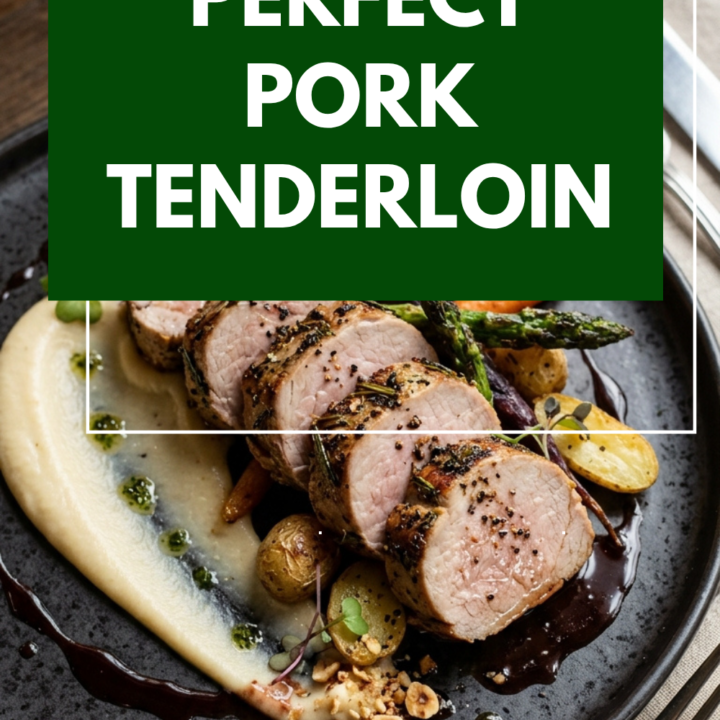
Perfect Pork Tenderloin
If you want a simple dinner that feels special without hours in the kitchen, I recommend this perfect pork tenderloin recipe. Pork tenderloin is naturally tender, cooks relatively quickly, and takes on the flavors of garlic, herbs, and spices beautifully.
Ingredients
- 2 to 2.5 pounds pork tenderloin, usually 2 tenderloins
- 2 tablespoons olive oil
- 3 garlic cloves, finely minced
- 1 teaspoon dried rosemary
- 1 teaspoon dried thyme
- 1 teaspoon paprika
- 3/4 teaspoon salt, or to taste
- 1/2 teaspoon freshly ground black pepper
- 1 tablespoon Dijon mustard, optional
- 1 teaspoon lemon zest, optional
- 1 tablespoon chopped fresh parsley, for garnish
Instructions
- Preheat the Oven: Preheat your oven to 400°F (200°C). Lightly grease a baking dish or line a rimmed baking sheet with foil.
- Prepare the Pork: Pat the pork tenderloins dry with paper towels. Trim away any silver skin using a sharp knife.
- Mix the Seasonings: In a small bowl, combine olive oil, minced garlic, rosemary, thyme, paprika, salt, black pepper, and optional Dijon mustard and lemon zest.
- Season the Tenderloins: Rub the seasoning mixture evenly over all sides of the pork. Let it rest for 15–30 minutes in the refrigerator if desired.
- Sear (Optional): Heat a little oil in an oven-safe skillet over medium-high heat. Sear the tenderloins for 2–3 minutes per side until browned. Transfer to the prepared baking dish if needed.
- Roast the Pork: Place the tenderloins in the oven and roast for 20–30 minutes, depending on their thickness. If seared first, begin checking after approximately 15 minutes. Use an instant-read thermometer to ensure each tenderloin reaches an internal temperature of 145°F (63°C).
- Rest the Meat: Remove the pork from the oven and let it rest for 5–10 minutes before slicing.
- Slice and Serve: Slice the tenderloins crosswise into ½–¾-inch pieces. Spoon any safely handled pan juices over the meat and garnish with fresh parsley or lemon zest. Serve warm with your favorite side dishes.
Nutrition Information:
Yield: 6 Serving Size: 1Amount Per Serving: Calories: 87Total Fat: 6gSaturated Fat: 1gUnsaturated Fat: 5gCholesterol: 20mgSodium: 375mgCarbohydrates: 1gFiber: 1gSugar: 0gProtein: 8g