There are few barbecue dishes more legendary than a perfectly cooked Texas Style Smoked Beef Brisket. When I think of authentic barbecue, this is always the first recipe that comes to mind. Slow-smoked over wood until tender, juicy, and packed with smoky flavor, brisket has become a true symbol of Texas barbecue culture. The combination of simple seasonings, quality beef, patience, and low-and-slow cooking creates a meal that is unforgettable.
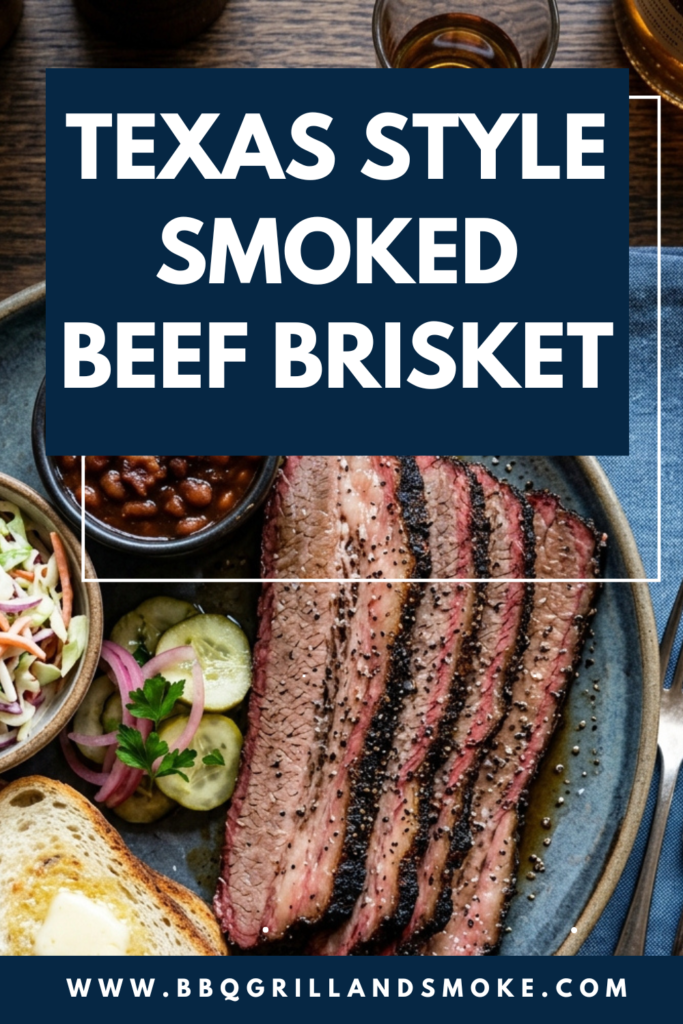
What makes Texas Style Smoked Beef Brisket special is its simplicity. Unlike some barbecue recipes that rely on complicated marinades or heavy sauces, Texas brisket lets the beef and smoke do most of the talking. A simple rub of coarse salt and black pepper creates the iconic bark while allowing the rich beef flavor to shine through. The result is tender slices with a deep smoky aroma and a beautiful dark crust.
I love making this brisket for family gatherings, weekend cookouts, and special celebrations. The long smoking process may seem intimidating at first, but once you understand the basics, it becomes surprisingly straightforward. The reward is a brisket that slices beautifully and practically melts in your mouth.
If you’re looking for an authentic barbecue experience, this Texas Style Smoked Beef Brisket recipe delivers everything you could want. From the flavorful bark to the juicy interior, every bite showcases why brisket remains one of the most beloved barbecue meats in the world.
Texas Style Smoked Beef Brisket
Preparation Time: 30 Minutes
Cook Time: 10-12 Hours
Total Time: Approximately 12-13 Hours (Including Resting Time)
Ingredients
For the Brisket
- 1 whole beef brisket flat or small packer brisket (about 5-6 pounds)
- 3 tablespoons coarse kosher salt
- 3 tablespoons coarse black pepper
- 1 tablespoon garlic powder
- 1 teaspoon onion powder
- 1 tablespoon yellow mustard (optional binder)
- Wood chunks or wood pellets (oak, hickory, or post oak preferred)
Optional Serving Items
- Pickles
- Sliced onions
- Texas toast
- Barbecue sauce
- Coleslaw
- Baked beans
Instructions
- Trim the Brisket: Begin by trimming excess fat from the brisket, leaving approximately 1/4 inch of fat on top. Removing overly thick fat allows smoke and seasoning to penetrate while still keeping the meat moist during the long cook.
- Prepare the Seasoning: In a bowl, combine the kosher salt, black pepper, garlic powder, and onion powder. This simple seasoning blend follows traditional Texas barbecue principles.
- Season the Brisket: Pat the brisket dry with paper towels. Lightly coat with mustard if using, then generously apply the seasoning mixture to all sides. Press the seasoning into the meat for good adhesion.
- Preheat the Smoker: Heat your smoker to 225°F (107°C). Add oak, hickory, or post oak wood to create steady smoke. Maintaining a consistent temperature is one of the most important factors for successful brisket.
- Start Smoking: Place the brisket on the smoker with the fat side facing the heat source. Close the lid and smoke for approximately 6 to 8 hours. Avoid opening the smoker frequently, as this causes heat fluctuations.
- Monitor Internal Temperature: Continue smoking until the brisket reaches an internal temperature of approximately 165°F to 170°F. At this point, the brisket may enter the “stall,” where the temperature rises very slowly.
- Wrap the Brisket: Wrap the brisket tightly in butcher paper or aluminum foil. This step helps push through the stall while preserving moisture and tenderness.
- Continue Cooking: Return the wrapped brisket to the smoker and continue cooking until the internal temperature reaches 200°F to 205°F. The brisket should feel tender when probed.
- Rest the Brisket: Remove the brisket from the smoker and let it rest for at least 1 hour. Resting allows the juices to redistribute throughout the meat, resulting in more flavorful slices.
- Slice and Serve: Slice the brisket against the grain using a sharp knife. Serve immediately with your favorite barbecue sides and enjoy.
Tips or Variations
Choose Quality Beef
High-quality brisket generally produces better results. Look for good marbling throughout the meat, as intramuscular fat helps create a juicy finished product.
Use Post Oak for Authentic Flavor
Traditional Texas barbecue often uses post oak wood. If available, it delivers the classic flavor associated with authentic brisket. Oak, hickory, or pecan are also excellent choices.
Don’t Rush the Process
The secret to great brisket is patience. Cooking at low temperatures for an extended period allows connective tissues to break down properly, creating the tender texture everyone loves.
Add a Texas-Style Twist
For an even more authentic experience, serve the brisket with sliced onions, pickles, and white bread or Texas toast. These simple accompaniments are staples at many Texas barbecue restaurants.
Try Different Rubs
While traditional Texas Style Smoked Beef Brisket focuses on salt and pepper, you can experiment with paprika, cayenne pepper, or brown sugar for unique flavor profiles.
Frequently Asked Questions (FAQs)
What is the best wood for smoking brisket?
Post oak is considered the traditional choice for Texas barbecue, but oak, hickory, pecan, and mesquite can also produce excellent results depending on your flavor preference.
How do I know when brisket is done?
Brisket is done when it reaches an internal temperature of approximately 200°F to 205°F and feels tender when probed. Temperature alone should not be the only indicator.
Why does brisket stall during cooking?
The stall occurs when moisture evaporating from the meat cools its surface, slowing temperature increases. Wrapping the brisket helps overcome this stage.
Can I make Texas Style Smoked Beef Brisket in advance?
Yes. Brisket reheats very well. Store it in an airtight container with its juices and gently reheat before serving.
Should I use foil or butcher paper?
Both work well. Butcher paper preserves bark texture better, while foil retains slightly more moisture. Many barbecue enthusiasts prefer butcher paper for authentic Texas results.
How should leftover brisket be stored?
Store leftover brisket in the refrigerator for up to four days in a sealed container. It can also be frozen for up to three months.
Conclusion
Making Texas Style Smoked Beef Brisket is one of the most rewarding barbecue experiences you can have. While it requires time and patience, the incredible flavor and tenderness make every minute worthwhile. The combination of simple seasonings, quality smoke, and slow cooking creates a brisket that rivals what you would find at some of the best barbecue joints in Texas.
I hope this recipe inspires you to fire up your smoker and experience authentic barbecue at home. Whether you’re preparing it for family, friends, or a special celebration, this Texas Style Smoked Beef Brisket is guaranteed to impress. Once you taste that smoky bark and juicy interior, you’ll understand why brisket remains a true barbecue classic. Happy smoking!
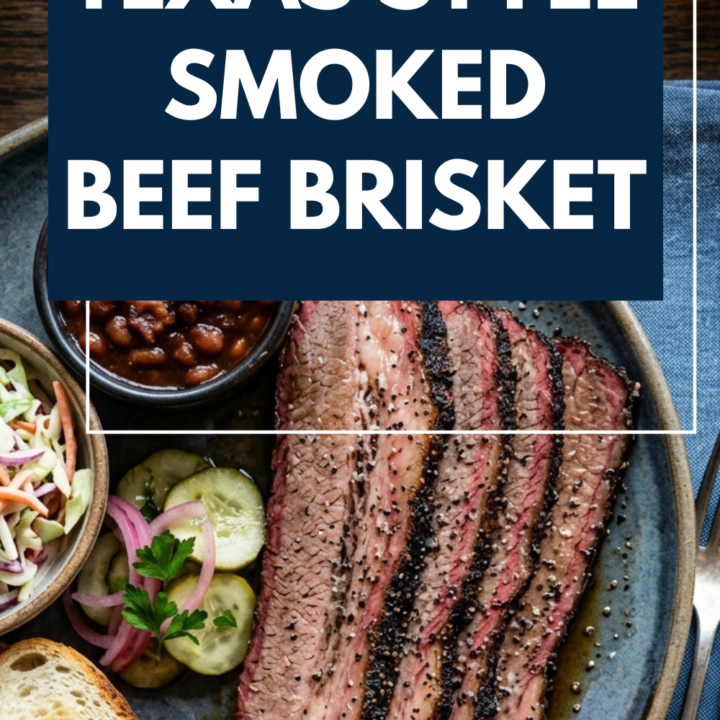
Texas Style Smoked Beef Brisket
There are few barbecue dishes more legendary than a perfectly cooked Texas Style Smoked Beef Brisket. When I think of authentic barbecue, this is always the first recipe that comes to mind.
Ingredients
For the Brisket
- 1 whole beef brisket flat or small packer brisket (about 5-6 pounds)
- 3 tablespoons coarse kosher salt
- 3 tablespoons coarse black pepper
- 1 tablespoon garlic powder
- 1 teaspoon onion powder
- 1 tablespoon yellow mustard (optional binder)
- Wood chunks or wood pellets (oak, hickory, or post oak preferred)
Optional Serving Items
- Pickles
- Sliced onions
- Texas toast
- Barbecue sauce
- Coleslaw
- Baked beans
Instructions
- Trim the Brisket: Begin by trimming excess fat from the brisket, leaving approximately 1/4 inch of fat on top. Removing overly thick fat allows smoke and seasoning to penetrate while still keeping the meat moist during the long cook.
- Prepare the Seasoning: In a bowl, combine the kosher salt, black pepper, garlic powder, and onion powder. This simple seasoning blend follows traditional Texas barbecue principles.
- Season the Brisket: Pat the brisket dry with paper towels. Lightly coat with mustard if using, then generously apply the seasoning mixture to all sides. Press the seasoning into the meat for good adhesion.
- Preheat the Smoker: Heat your smoker to 225°F (107°C). Add oak, hickory, or post oak wood to create steady smoke. Maintaining a consistent temperature is one of the most important factors for successful brisket.
- Start Smoking: Place the brisket on the smoker with the fat side facing the heat source. Close the lid and smoke for approximately 6 to 8 hours. Avoid opening the smoker frequently, as this causes heat fluctuations.
- Monitor Internal Temperature: Continue smoking until the brisket reaches an internal temperature of approximately 165°F to 170°F. At this point, the brisket may enter the “stall,” where the temperature rises very slowly.
- Wrap the Brisket: Wrap the brisket tightly in butcher paper or aluminum foil. This step helps push through the stall while preserving moisture and tenderness.
- Continue Cooking: Return the wrapped brisket to the smoker and continue cooking until the internal temperature reaches 200°F to 205°F. The brisket should feel tender when probed.
- Rest the Brisket: Remove the brisket from the smoker and let it rest for at least 1 hour. Resting allows the juices to redistribute throughout the meat, resulting in more flavorful slices.
- Slice and Serve: Slice the brisket against the grain using a sharp knife. Serve immediately with your favorite barbecue sides and enjoy.
Nutrition Information:
Yield: 6 Serving Size: 1Amount Per Serving: Calories: 52Total Fat: 4gSaturated Fat: 1gUnsaturated Fat: 2gCholesterol: 13mgSodium: 314mgCarbohydrates: 1gFiber: 0gSugar: 0gProtein: 4g